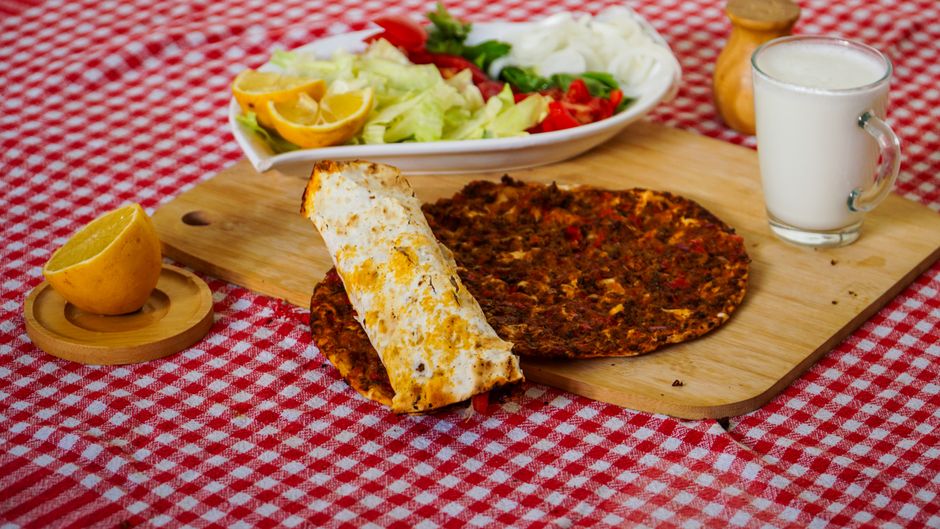
Amazon Food & Beverage Trends in Turkey: What the Data Shows
Turkey’s Food & Beverage (F&B) market is evolving rapidly, with e-commerce—particularly Amazon—playing an increasingly pivotal role. As brands seek global expansion, understanding Turkey’s regulatory landscape, consumer preferences, and competitive dynamics is essential. This analysis leverages 2026 data to highlight key trends, opportunities, and actionable strategies for entering this high-potential market.
Market Overview
Turkey’s F&B market is valued at approximately $45 billion in 2026, with a projected CAGR of 6.2% through 2030. Online sales now account for 12% of total F&B revenue, up from 8% in 2023, driven by Amazon Turkey’s aggressive expansion and local platforms like Trendyol and Hepsiburada. Retail remains dominant, but e-commerce is growing at 18% annually, outpacing brick-and-mortar.
| Metric | 2026 Value | Growth Rate (CAGR) |
|---|---|---|
| Total F&B Market Size | $45B | 6.2% |
| Online F&B Sales | $5.4B | 18% |
| Amazon Turkey F&B GMV | $1.2B | 22% |
Amazon Turkey has become a critical channel, with F&B sales growing 22% YoY. The platform’s top-performing categories include honey, olive oil, and functional beverages, reflecting local consumer preferences. Meanwhile, traditional retail chains like Migros and BIM dominate offline sales, but digital adoption is accelerating.
Opportunity Analysis
Several F&B categories are outperforming the market in Turkey:
- Honey: Turkey is the world’s second-largest honey producer, and demand for premium, organic honey is surging. Amazon’s best-sellers include raw Anatolian honey, with prices ranging from $15 to $40 per kilogram.
- Functional Beverages: Probiotic drinks and energy-boosting teas are growing at 25% YoY, driven by health-conscious millennials.
- Snack Foods: Nuts, dried fruits, and protein bars are gaining traction, with Amazon listings showing a 30% increase in new product launches in 2026.
Pricing benchmarks vary by category:
| Category | Average Amazon Price (2026) | Growth Driver |
|---|---|---|
| Premium Honey | $25/kg | Organic certification demand |
| Functional Beverages | $3–$5 per unit | Health and wellness trends |
| Protein Snacks | $2–$4 per unit | Fitness and convenience trends |
Distribution Landscape
Turkey’s F&B distribution is fragmented, with Amazon Turkey emerging as a key player alongside established retailers:
- Amazon Turkey: Accounts for 25% of online F&B sales, with strong performance in imported and premium products. Brands leveraging FBA (Fulfillment by Amazon) see 30% higher conversion rates.
- Trendyol & Hepsiburada: Local e-commerce giants with growing F&B sections, particularly for snacks and beverages.
- Retail Chains: Migros, BIM, and Carrefour lead offline sales, but many are expanding their online presence.
Direct-to-consumer (DTC) models are viable for niche products, but Amazon’s logistics and customer trust make it the preferred entry point for international brands.
Regulatory Snapshot
The Turkish Medicines and Medical Devices Agency (TİTCK) regulates F&B products, with strict labeling and import requirements. Key compliance considerations include:
- Labeling: Must be in Turkish, with mandatory nutritional information, ingredient lists, and origin details.
- Claims: Health claims require pre-approval from TİTCK, with prohibitions on unproven functional benefits.
- Certifications: Organic products need EU or Turkish organic certification, adding 10–15% to compliance costs.
Estimated compliance timeline: 3–6 months, with costs ranging from $5,000 to $15,000 depending on product complexity.
Launch Difficulty Score
Turkey’s F&B market presents moderate entry barriers, with a composite Launch Difficulty Score of 65/100:
| Factor | Score (0–100) |
|---|---|
| Demand | 80 |
| Competition | 60 |
| Regulatory Ease | 50 |
| Margin Opportunity | 70 |
Actionable Next Steps
- Conduct a Competitive Gap Analysis: Identify underserved niches on Amazon Turkey, such as organic honey or functional beverages.
- Partner with a Local Distributor: Work with established importers like Doğa Gıda or Ekol Lojistik to navigate customs and logistics.
- Optimize for Amazon SEO: Use Turkish keywords (e.g., “organik bal” for organic honey) and leverage Amazon’s A+ Content.
- Ensure Regulatory Compliance: Engage a local consultant to handle TİTCK approvals and labeling requirements.
- Test with Amazon FBA: Start with a small inventory to gauge demand before scaling.
Sources
- Fortune Business Insights: Honey Market Analysis
- Whole Foods Market: 2026 Food Trend Predictions
- Turkish Medicines and Medical Devices Agency (TİTCK) Guidelines
Expanding into Turkey’s F&B market requires a data-driven approach. Nutri.Markets provides personalized Market Expansion Blueprints and Scorecards to help brands navigate regulatory hurdles, optimize Amazon listings, and capitalize on Turkey’s growing demand for premium and functional foods. Get your tailored strategy today.