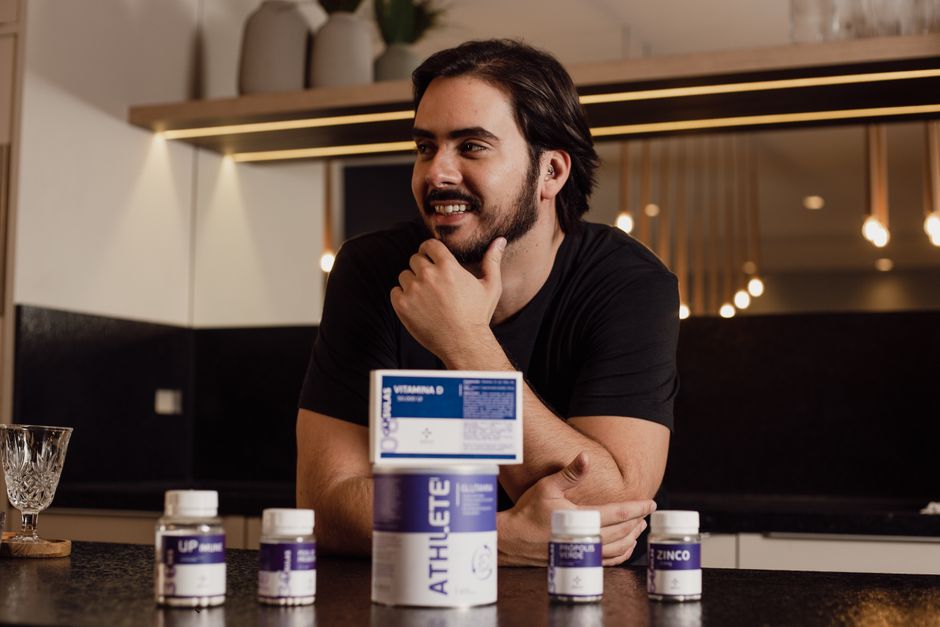
Amazon Sports Nutrition Trends in Brazil: What the Data Shows
Brazil’s sports nutrition market is booming, driven by rising health consciousness, a growing fitness culture, and increasing e-commerce penetration. For brands eyeing global expansion, Brazil presents a lucrative opportunity—especially on Amazon, where regulatory compliance and strategic positioning can unlock significant sales. This analysis dives into market trends, regulatory hurdles, and actionable strategies for success.
Market Overview
Brazil’s sports nutrition market is valued at approximately $1.2 billion in 2024, with a projected CAGR of 8.5% through 2028. The market is split between online and offline channels, with e-commerce accounting for 35% of sales, led by Amazon, Mercado Livre, and specialty retailers like Centauro and NetShoes.
| Metric | Value |
|---|---|
| Market Size (2024) | $1.2B |
| CAGR (2024–2028) | 8.5% |
| Online Sales Share | 35% |
| Top Online Retailer | Amazon (42% market share) |
Amazon dominates Brazil’s e-commerce landscape, with sports nutrition brands leveraging FBA (Fulfillment by Amazon) to streamline logistics. The platform’s Best Sellers list is dominated by protein powders, pre-workouts, and collagen supplements, reflecting consumer demand for performance and recovery products.
Opportunity Analysis
The fastest-growing segments in Brazil’s sports nutrition market include:
- Collagen supplements (22% YoY growth), driven by beauty and joint health trends.
- Plant-based proteins (18% YoY growth), aligning with Brazil’s strong vegan and flexitarian consumer base.
- Pre-workout formulas (15% YoY growth), particularly those with natural stimulants like guarana.
Consumer preferences skew toward affordable premium products, with price benchmarks ranging from $15–$30 for protein powders and $20–$40 for collagen supplements. Brands that emphasize clean labels and local superfoods (e.g., camu-camu, cupuaçu) gain traction, as highlighted in recent BBC coverage of Amazonian superfoods.
Distribution Landscape
Key distribution channels for sports nutrition in Brazil include:
- Amazon Brazil – The leading e-commerce platform, with FBA offering logistical advantages.
- Mercado Livre – A strong secondary marketplace for health products.
- Specialty Retailers – Chains like Centauro and NetShoes dominate brick-and-mortar sales.
- DTC (Direct-to-Consumer) – Emerging brands use Shopify and social commerce (Instagram, TikTok) to bypass traditional retail.
For wholesale distribution, partnerships with Drogaria São Paulo and Pague Menos can accelerate retail penetration. Amazon’s Best Sellers list is a critical benchmark for brands, with top-performing products often featuring ANVISA-approved claims and localized packaging.
Regulatory Snapshot
Brazil’s sports nutrition market is regulated by ANVISA (National Health Surveillance Agency), which classifies these products as food supplements. Key compliance requirements include:
- Labeling – Must be in Portuguese, with mandatory nutritional information and ingredient lists.
- Claims – Only permitted claims are those approved by ANVISA (e.g., “supports muscle recovery” for protein).
- Ingredient Restrictions – Certain stimulants (e.g., DMAA) are prohibited, while others (e.g., caffeine) have dosage limits.
- Certifications – Products must comply with RDC 27/2010 and RDC 243/2018 for supplements.
Compliance costs range from $5,000–$15,000, with timelines of 6–12 months for full approval. Brands must submit dossiers to ANVISA, including safety and efficacy data.
Launch Difficulty Score
Brazil’s sports nutrition market presents moderate entry barriers, with a Launch Difficulty Score of 65/100. Breakdown:
| Factor | Score (0–25) |
|---|---|
| Demand | 20 |
| Competition | 15 |
| Regulatory Ease | 15 |
| Margin Opportunity | 15 |
High demand and margin potential are offset by regulatory complexity and competition from established brands like Growth Supplements and IntegralMédica.
Actionable Next Steps
To successfully enter Brazil’s sports nutrition market, brands should:
- Conduct ANVISA compliance pre-assessment – Audit formulations and labels for regulatory alignment.
- Optimize Amazon listings – Use localized keywords (e.g., “proteína em pó” for protein powder) and leverage FBA.
- Partner with local distributors – Engage wholesalers like Drogaria São Paulo for retail placement.
- Test collagen and plant-based SKUs – Capitalize on high-growth categories with tailored formulations.
- Invest in Portuguese-language marketing – Localize content for Amazon and social media campaigns.
- Monitor competitor pricing – Benchmark against top Amazon sellers to stay competitive.
Sources
- BBC: Move over açaí - the Amazon has more 'superfoods' to offer
- Treeline Review: 9 Best Collagen Powders of 2026
- ANVISA: Regulatory Guidelines for Food Supplements
Ready to expand into Brazil’s sports nutrition market? Get your personalized Market Expansion Blueprint or Scorecard from Nutri.Markets to navigate regulatory, distribution, and competitive challenges with confidence.