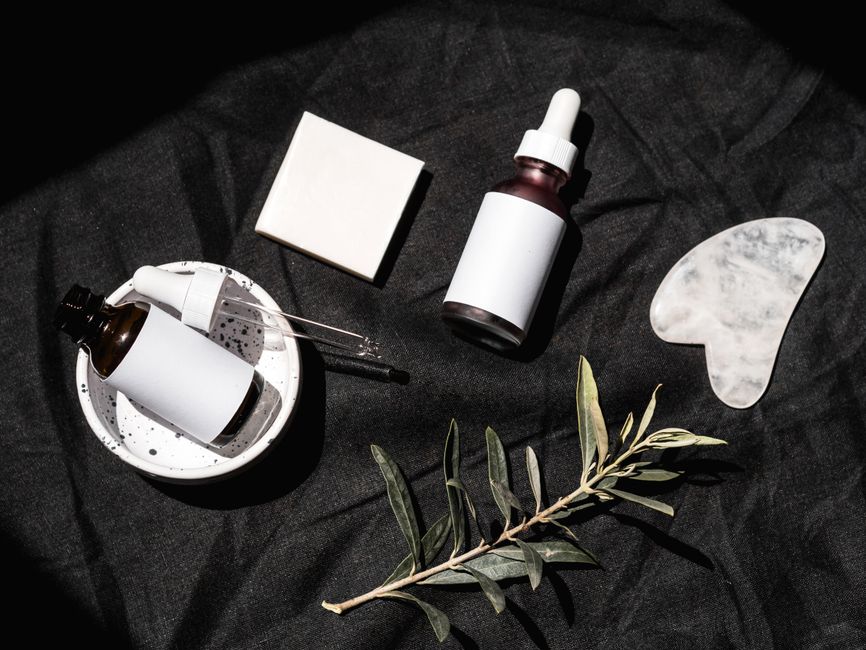
Brazil Personal Care Ingredients Market 2030: How Skincare Brands Can Leverage These Trends for China Market Entry
The newly released Brazil Personal Care Ingredients Market Size, Share, Trends, Growth Analysis Report, 2030 by MarketsandMarkets isn’t just a regional forecast—it’s a strategic signal for skincare brands eyeing global expansion, particularly in China. As Brazil’s personal care ingredients sector surges, driven by demand for natural, bioactive, and sustainable formulations, the implications for regulatory compliance, ingredient trends, and consumer demand in China’s tightly controlled skincare market are profound. Brands that align with these shifts today will gain a competitive edge in one of the world’s fastest-growing beauty markets.
Market Overview
China’s skincare market remains a powerhouse, projected to grow at a CAGR of 7.2% through 2034 (Fortune Business Insights). In 2026, the market is valued at approximately $48.5 billion, with e-commerce accounting for 52% of sales, up from 45% in 2023. Offline channels, including specialty stores and pharmacies, still hold significant sway, particularly for premium and medically positioned brands.
Brazil’s personal care ingredients market, meanwhile, is expected to reach $5.8 billion by 2030, growing at a CAGR of 6.1% (MarketsandMarkets). The overlap? Both markets are increasingly prioritizing bioactive ingredients, clean label formulations, and sustainability—trends that are reshaping consumer demand in China, where NMPA (National Medical Products Administration) regulations demand rigorous compliance.
Market Size and Growth
| Region | 2026 Market Size | 2030/2034 Projection | CAGR | E-commerce Share (2026) |
|---|---|---|---|---|
| China (Skincare) | $48.5B | $67.8B (2034) | 7.2% | 52% |
| Brazil (Personal Care Ingredients) | $4.2B | $5.8B (2030) | 6.1% | N/A |
China’s dominance in online sales is driven by platforms like Tmall, JD.com, and Douyin (TikTok), where KOL (Key Opinion Leader) marketing and livestreaming fuel demand for innovative skincare products. Meanwhile, Brazil’s growth in natural and bio-based ingredients—such as Amazonian botanicals and fermented extracts—mirrors rising interest in China for innovation rooted in sustainability.
Opportunity Analysis
For skincare brands entering China, the most promising categories align with Brazil’s ingredient trends: natural actives, bioactive compounds, and clean beauty. Here’s where the opportunities lie:
Fastest-Growing Ingredient Categories in China
- Botanical Extracts: Demand for ingredients like Brazilian cupuaçu butter and acaí oil is rising, with Chinese consumers willing to pay a 20–30% premium for exotic, efficacy-backed botanicals.
- Fermented Ingredients: Probiotics and postbiotics in skincare are growing at 12% CAGR in China, driven by gut-skin axis claims (Research Nester).
- Bio-Based Preservatives: With synthetic preservatives facing scrutiny, natural alternatives (e.g., rosemary extract) are gaining traction, supported by a global market projected to hit $18.93B by 2035 (Custom Market Insights).
- Honey and Propolis: The honey market in cosmetics is expanding, with Manuka honey and Brazilian propolis seeing increased adoption in high-end serums and masks (MRFR).
Consumer Preferences and Pricing
Chinese consumers prioritize efficacy, safety, and transparency. According to a 2026 McKinsey report, 68% of Chinese skincare buyers check ingredient lists before purchasing, and 55% prefer products with fewer than 10 ingredients. Pricing benchmarks vary by segment:
- Mass Market: $10–$30 (e.g., local brands like Pechoin, Herborist)
- Premium: $30–$100 (e.g., Estée Lauder, Lancôme)
- Luxury/Niche: $100+ (e.g., Aesop, Dr. Barbara Sturm; Brazilian ingredient-driven brands can command premium pricing here).
The Brazil Personal Care Ingredients Market 2030 report underscores that brands leveraging Amazon-sourced ingredients (e.g., andiroba oil, pracaxi oil) are well-positioned to meet China’s appetite for novel, story-rich actives—provided they clear NMPA’s regulatory compliance hurdles.
Distribution Landscape
China’s skincare distribution is a mix of e-commerce dominance and strategic offline channels. Here’s the breakdown:
Top Retailers and Platforms
- E-commerce:
- Tmall Global: The go-to for international brands, with 40% of cross-border skincare sales in China.
- JD.com: Preferred for premium and luxury brands due to its logistics and authenticity guarantees.
- Douyin (TikTok): Driving impulsive purchases via livestreaming; skincare brands using KOLs see 3–5x higher conversion rates.
- Offline Channels:
- Sephora China: 300+ stores, strong in tier-1 cities; ideal for testing innovation-driven products.
- Watsons: 4,000+ stores, mass-market focus; carries brands like Innisfree and The Ordinary.
- Pharmacies (e.g., Yifeng Pharmacy): Critical for dermocosmetics and medically positioned skincare.
- DTC Potential: Brands like Perfect Diary (now Yatsen) and Flower Knows prove that direct-to-consumer models can thrive, but require heavy investment in KOL marketing and WeChat ecosystems.
Key Distributors
For foreign brands, partnering with local distributors is often the fastest route to market. Top players include:
- L’Oréal China’s distribution arm (for premium brands).
- Swire Coca-Cola (for natural/organic brands).
- TPG Capital-backed Yatsen’s distribution network (for indie brands).
Regulatory Snapshot
China’s NMPA (National Medical Products Administration) enforces some of the world’s strictest regulatory compliance rules for skincare. The Brazil Personal Care Ingredients Market 2030 report’s emphasis on natural and bioactive ingredients is particularly relevant here, as NMPA has recently updated its Cosmetic Ingredient Catalog to include more plant-based actives—while banning others.
Key Requirements
- Registration:
- General Cosmetics: Notification via NMPA’s e-platform (no pre-approval, but post-market surveillance).
- Special Use Cosmetics: (e.g., anti-aging, whitening) require pre-market approval, including clinical tests. Cost: $20,000–$50,000 per product.
- Labeling: Must include:
- Full ingredient list (INCI names + Chinese translations).
- Manufacturer details (address, license number).
- PAO (Period After Opening) and expiration date.
- No claims like "hypoallergenic" or "dermatologist-tested" without NMPA-approved evidence.
- Prohibited/Restricted Ingredients:
- 1,389 banned ingredients (e.g., formaldehyde, toluene).
- 47 restricted ingredients (e.g., retinol at ≤0.3%).
- New: NMPA now permits bakuchiol (a plant-based retinol alternative) at up to 1%, aligning with global innovation trends.
- Animal Testing: No longer mandatory for general cosmetics (since 2021), but special use cosmetics still require it unless using approved alternatives.
- Certifications:
- China Organic Certification (for organic claims).
- CFDA (NMPA) Safety Assessment Report (mandatory for all products).
Compliance Costs and Timeline
| Step | Cost (USD) | Timeline |
|---|---|---|
| Ingredient Safety Assessment | $5,000–$15,000 | 4–6 weeks |
| Label Translation & Compliance | $2,000–$5,000 | 2–3 weeks |
| NMPA Notification (General Cosmetics) | $10,000–$25,000 | 3–6 months |
| Special Use Cosmetics Approval | $30,000–$80,000 | 6–12 months |
Pro Tip: Brands using ingredients from the Brazil Personal Care Ingredients Market (e.g., copahu balm) should verify their status in NMPA’s Cosmetic Ingredient Catalog early to avoid delays.
Launch Difficulty Score
To help brands assess feasibility, we’ve assigned a Launch Difficulty Score (0–100, where 100 = hardest) for entering China’s skincare market with Brazil-inspired formulations:
| Factor | Score (0–25) | Rationale |
|---|---|---|
| Demand | 5 | High consumer demand for natural, innovative ingredients; but competition is fierce. |
| Competition | 20 | Saturated with local and global brands; differentiation is key. |
| Regulatory Ease | 22 | NMPA’s regulatory compliance is complex; special use cosmetics add significant hurdles. |
| Margin Opportunity | 15 | Premium pricing possible for unique ingredient trends, but costs (tariffs, compliance) eat into margins. |
Total Launch Difficulty Score: 62/100 (Moderately Difficult)
Actionable Next Steps
For skincare brands aiming to enter China with Brazil-inspired ingredient trends or innovation, follow this roadmap:
- Audit Your Ingredients: Cross-reference your formula against NMPA’s Cosmetic Ingredient Catalog and banned list. Use tools like NMPA’s official database or third-party platforms (e.g., ChemLinked).
- Partner with a Local Regulatory Consultant: Firms like Reach24H or CIRS can navigate regulatory compliance, saving 3–6 months of back-and-forth.
- Secure a Distributor or E-commerce Partner: For Tmall Global, work with a TP (Tmall Partner) like Azoya or JD Worldwide. For offline, target Sephora China or Watsons.
- Develop a China-Specific Formulation: Adjust concentrations of restricted ingredients (e.g., retinol ≤0.3%) and replace banned ones (e.g., parabens with rosemary extract).
- Localize Packaging and Claims: Translate labels into Chinese, include PAO symbols, and avoid unapproved claims (e.g., "anti-wrinkle" requires special use approval).
- Build a KOL and Livestreaming Strategy: Partner with mid-tier KOLs (1M–10M followers) for cost-effective reach. Platforms like Xiaohongshu (Little Red Book) are critical for storytelling around ingredient trends.
- Test with a Cross-Border Pilot: Use Tmall Global or JD Worldwide to gauge demand without full local entity setup. Monitor conversion rates and consumer feedback for 3–6 months before scaling.
Sources
- MarketsandMarkets – Brazil Personal Care Ingredients Market Size, Share, Trends, Growth Analysis Report, 2030
- Fortune Business Insights – Skincare Market Size, Share, Trends | Growth Analysis [2034]
- National Medical Products Administration (NMPA) – Cosmetic Supervision and Administration Regulation (CSAR)
- Custom Market Insights – Bio-Based Cosmetics and Personal Care Ingredients Market (2035)
- Research Nester – Cosmetic Bioactive Ingredients Market (2035)
China’s skincare market is a goldmine for brands that can navigate its complexities—especially those leveraging the fastest-growing ingredient trends highlighted in the Brazil Personal Care Ingredients Market 2030 report. By aligning with consumer demand, ensuring regulatory compliance, and executing a data-driven market entry strategy, your brand can carve out a competitive niche. For a tailored roadmap, request a Market Expansion Blueprint or Scorecard from Nutri.Markets today—our experts will help you turn these insights into action.
---