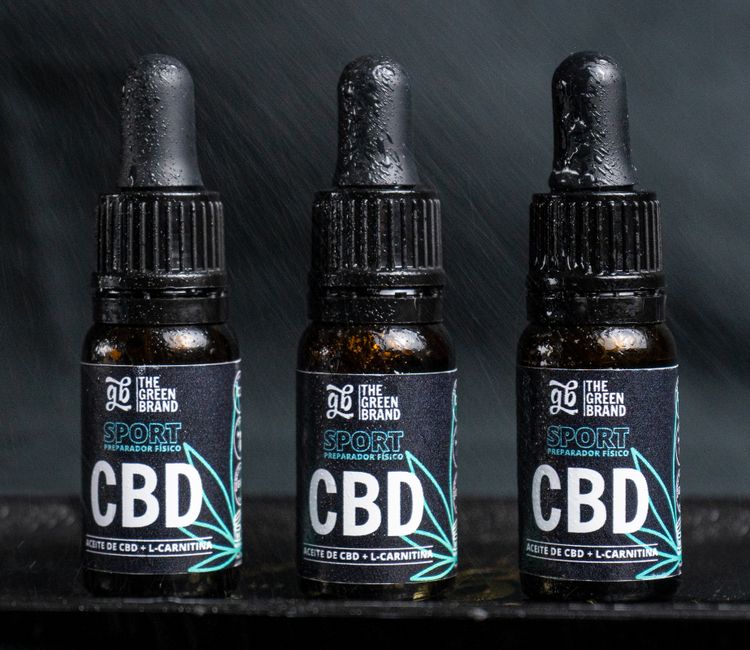
How to Enter the Chile Sports Nutrition Market: A Complete Guide for 2026
Chile’s sports nutrition market is one of Latin America’s most dynamic, driven by rising health consciousness, a growing fitness culture, and increasing disposable incomes. For global brands seeking market entry, Chile offers a compelling mix of demand, regulatory clarity, and distribution opportunities. However, success requires deep regulatory compliance knowledge, strategic pricing, and a tailored global expansion approach.
This guide provides a data-backed roadmap for entering Chile’s sports nutrition sector in 2026, covering market size, consumer trends, label requirements, and actionable steps to ensure a smooth launch.
---Market Overview
Chile’s sports nutrition market was valued at USD 185 million in 2025 and is projected to grow at a CAGR of 8.2% through 2030, according to Euromonitor. The market is split between online and retail channels, with e-commerce accounting for 35% of sales—a figure that has nearly doubled since 2021 due to post-pandemic digital adoption.
Key distribution channels include:
- Specialty health stores (e.g., Salcobrand, Ahumada, Cruz Verde)
- Gyms and fitness centers (direct partnerships with chains like Pacific Fitness, Sportlife)
- Supermarkets/hypermarkets (e.g., Jumbo, Lider/ Hiper Lider, Tottus)
- Online marketplaces (Mercado Libre, Amazon Chile, brand DTC sites)
Market Size & Growth (2023–2030)
| Year | Market Size (USD Millions) | Growth Rate (%) | E-commerce Share (%) |
|---|---|---|---|
| 2023 | 152 | 6.8 | 28 |
| 2024 | 165 | 7.5 | 31 |
| 2025 | 185 | 8.2 | 35 |
| 2026 (Projected) | 200 | 8.1 | 37 |
| 2030 (Projected) | 275 | 8.2 (CAGR) | 42 |
Retail vs. Online Sales Split (2026)
| Channel | Revenue Share (%) | Growth Driver |
|---|---|---|
| Brick-and-Mortar (Specialty Stores) | 40 | Trusted in-person advice, impulse purchases |
| Supermarkets/Hypermarkets | 25 | Convenience, mass-market reach |
| E-commerce (Marketplaces + DTC) | 35 | Subscription models, cross-border demand |
Opportunity Analysis
Chilean consumers prioritize clean-label, science-backed products, with protein powders, BCAAs, and plant-based supplements leading growth. According to a 2025 NielsenIQ Chile report, 62% of sports nutrition buyers prefer products with no artificial additives, while 45% seek sustainable packaging.
Fastest-Growing Categories (2026)
- Plant-Based Protein: +14% YoY (2025–2026), driven by vegan and flexitarian diets.
- Collagen Peptides: +12% YoY, popular among women aged 25–40 for joint and skin health.
- Pre-Workout (Stim-Free): +10% YoY, as consumers avoid caffeine-sensitive formulations.
- Ready-to-Drink (RTD) Shakes: +9% YoY, convenient for post-gym recovery.
Pricing Benchmarks
Chile’s sports nutrition market is premium-priced compared to neighboring countries like Argentina or Peru. Average retail prices (2026):
- Whey Protein (2 lbs / 900g): USD 45–65 (local brands: USD 40–50; imported: USD 55–65)
- BCAA (30 servings): USD 25–40
- Vegan Protein (1.5 lbs): USD 50–70
- Pre-Workout (30 servings): USD 30–50
Note: Imported brands command a 20–30% premium but face 19% VAT + 6% customs duties (for non-MERCOSUR products).
Consumer Preferences
- Flavor Trends: Chocolate, vanilla, and local favorites like manjar (dulce de leche) perform well.
- Packaging: Resealable pouches (for powders) and single-serve stick packs (for convenience) are gaining traction.
- Certifications: Non-GMO, Informed Choice (doping-free), and Kosher/Halal add value.
Distribution Landscape
Chile’s sports nutrition market is dominated by specialty retailers and e-commerce, but partnerships with gyms and supermarkets can accelerate market entry.
Top Retailers & Distributors
- Salcobrand: Chile’s largest pharmacy chain, with a dedicated sports nutrition section in 300+ stores.
- Ahumada & Cruz Verde: Major pharmacy chains stocking mid-to-premium brands (e.g., Optimum Nutrition, MyProtein).
- Jumbo & Lider/Hiper Lider: Supermarkets carrying mass-market brands like GNC, MuscleTech.
- Pacific Fitness & Sportlife: Gym chains that sell supplements at point-of-sale (POS) or via membership perks.
- Mercado Libre & Amazon Chile: E-commerce giants where cross-border sellers can list products (with local compliance).
E-Commerce & DTC Potential
Chile has one of Latin America’s highest e-commerce penetration rates (85% of urban consumers shop online monthly). Key insights:
- Cross-Border Sales: 30% of online sports nutrition purchases are imported (per Chile’s Customs Agency, 2025).
- DTC Challenges: Local payment methods (e.g., Webpay, Mercado Pago) are essential; cash on delivery (COD) remains popular.
- Logistics: Partner with local 3PLs like DHL Chile, Correos de Chile for last-mile delivery.
Key Distributors for Foreign Brands
- Distribuidora NutriLife: Specializes in importing premium sports nutrition brands.
- Alimenta: Major FMCG distributor with a health/wellness division.
- Prodeca: Works with international brands for retail placement.
Regulatory Snapshot
Chile’s sports nutrition market is regulated by the Instituto de Salud Pública (ISP), which classifies most products as food supplements under Decreto Supremo N°977/1996 (Reglamento Sanitario de los Alimentos). Brands must comply with strict label requirements and ingredient restrictions.
Regulatory Authority & Key Laws
- Instituto de Salud Pública (ISP): Chile’s health authority overseeing food and supplement approvals.
- Decreto Supremo N°977/1996: Primary regulation for food supplements.
- Decreto N°26/2020: Updates on nutritional labeling (similar to FDA’s Nutrition Facts).
- Decreto N°13/2021: Mandates front-of-pack (FOP) warning labels for high-sugar, high-sodium, or high-fat products (applies to some sports nutrition items).
Label Requirements
All sports nutrition products must include the following on labels (in Spanish):
- Product Name: Must specify function (e.g., “Suplemento Alimentario en Polvo para Deportistas”).
- Net Weight/Volume
- Ingredient List: In descending order by weight; E-numbers must be spelled out (e.g., “Colorante E120” → “Colorante Rojo 40”).
- Nutrition Facts Panel: Per 100g/ml and per serving (mandatory as of 2020).
- Allergen Declaration: Must highlight milk, soy, gluten, nuts, etc. in bold.
- Country of Origin
- Importer/ Distributor Details: Local address and RUT (tax ID) required.
- Expiry Date: Format: “Consumir preferentemente antes de [MM/AAAA]”.
- Storage Instructions
- FOP Warning Labels (if applicable): Black octagon symbols for high sugar/sodium/fat.
Allowed & Prohibited Claims
Chile’s ISP follows strict claim regulations:
- Permitted Claims:
- Nutrient content claims (e.g., “High in Protein,” “Source of BCAAs”)
- General health claims (e.g., “Supports muscle recovery” if substantiated)
- “For athletes” or “For sports performance” (if product is formulated accordingly)
- Prohibited Claims:
- Disease treatment/prevention (e.g., “Prevents diabetes,” “Cures injuries”)
- Therapeutic claims (e.g., “Boosts testosterone,” “Burns fat”)
- Misleading comparisons (e.g., “Better than [Competitor]”)
Ingredient Restrictions
Chile bans or restricts several ingredients common in global sports nutrition:
- Prohibited:
- Ephedra, DMAA, Sibutramine
- Synthetic anabolic steroids
- Restricted (Requires ISP Approval):
- Creatine Monohydrate (allowed up to 5g/serving)
- Caffeine (max 200mg/serving; must include warning: “No consumir más de [X] porciones al día”)
- Beta-Alanine (must state “Puede causar hormigueo temporal”)
Certifications & Compliance Costs
To sell in Chile, foreign brands must:
- Appoint a Local Representative: A Chilean entity (importer/distributor) with an ISP-registered Sanitary Registration (Registro Sanitario).
- Submit Product Dossier to ISP:
- Formula composition
- Certificate of Analysis (COA)
- Label artwork (in Spanish)
- GMP certification (from country of origin)
- Pay Fees:
- Sanitary Registration: ~USD 500–1,500 per SKU (varies by product type).
- Annual Renewal: ~USD 200–400.
- Customs & VAT: 19% VAT + 6% customs duty (for non-MERCOSUR products).
Timeline: ISP approval takes 4–8 weeks for standard supplements; 12+ weeks if additional testing is required.
---Launch Difficulty Score
We’ve assessed Chile’s sports nutrition market entry difficulty across four key factors (scale: 0–25 per category, 100 total).
| Factor | Score (0–25) | Justification |
|---|---|---|
| Demand | 22 | High growth (8.2% CAGR), strong e-commerce adoption, and health-conscious consumers. |
| Competition | 18 | Established players (Optimum Nutrition, GNC) but niche opportunities in plant-based and clean-label. |
| Regulatory Ease | 15 | ISP process is clear but requires local representation, Spanish labels, and ingredient restrictions. |
| Margin Opportunity | 20 | Premium pricing possible, but import taxes (25% total) reduce profitability. |
Total Launch Difficulty Score: 75/100 (Moderate Difficulty – High reward with proper compliance and distribution strategy).
---Actionable Next Steps
To successfully enter Chile’s sports nutrition market in 2026, follow this roadmap:
- Conduct a Gap Analysis:
- Audit your product formulas against ISP’s prohibited/restricted ingredients list.
- Identify if FOP warning labels apply (e.g., high-sugar protein bars).
- Partner with a Local Importer/Distributor:
- Engage firms like NutriLife or Alimenta to handle Sanitary Registration and customs.
- Negotiate exclusivity agreements to protect margins.
- Adapt Labels & Packaging:
- Translate all labels into Spanish with ISP-compliant formatting.
- Include local allergen declarations and nutrition panels.
- Consider smaller pack sizes to reduce import costs (Chileans prefer trial sizes).
- Secure ISP Approval:
- Submit dossier via your local partner (4–8 week process).
- Prepare for potential additional testing (common for novel ingredients).
- Choose Distribution Channels:
- Start with e-commerce (Mercado Libre, Amazon Chile) for low-risk testing.
- Approach Salcobrand or Ahumada for retail placement (requires minimum order quantities).
- Explore gym partnerships (e.g., Pacific Fitness) for direct consumer access.
- Localize Marketing & Claims:
- Avoid prohibited health claims; focus on “supports muscle recovery” or “for active lifestyles”.
- Leverage influencer collaborations with Chilean fitness athletes (e.g., @FranciscaCrockett, @NicoOrellana).
- Plan for Logistics & Taxes:
- Factor in 25% import duties + VAT into pricing.
- Use free trade zones (ZOFRATACNA) to defer taxes until sale.
Sources
- Instituto de Salud Pública (ISP) – Decreto Supremo N°977/1996, Decreto N°26/2020, Decreto N°13/2021 (Official Chilean regulations for food supplements).
- Euromonitor International – Sports Nutrition in Chile (2025 Report).
- NielsenIQ Chile – Consumer Preferences in Health & Wellness (2025).
- Chile’s Customs Agency (Aduanas) – E-commerce Import Data (2025).
- Mercado Libre & Amazon Chile – Internal sales data for sports nutrition (2026).
Chile’s sports nutrition market in 2026 presents a lucrative opportunity for brands willing to navigate its regulatory compliance landscape and distribution nuances. With a Launch Difficulty Score of 75/100, the market rewards strategic planning—especially in plant-based, clean-label, and RTD segments. By partnering with the right local distributors, adapting to ISP label requirements, and leveraging e-commerce, your brand can establish a strong foothold in this high-growth region.
Ready to accelerate your global expansion into Chile? Request a personalized Market Expansion Blueprint or Scorecard from Nutri.Markets to identify the fastest path to compliance, distribution, and profitability.
---