Food & Beverage Market Positioning in Indonesia: What Works Now
Indonesia’s Food & Beverage (F&B) market is a dynamic landscape shaped by evolving consumer preferences, regulatory shifts, and economic pressures. For brands eyeing global expansion, understanding Indonesia’s market positioning—from regulatory compliance to competitive analysis—is critical. This guide breaks down the latest trends, distribution channels, and actionable strategies to help your brand succeed in this high-potential market.
Market Overview
Indonesia’s F&B market is valued at approximately $120 billion, with a projected CAGR of 6.5% through 2027 (Statista). The market is split between traditional retail (60%) and e-commerce (40%), though online sales are growing at 15% annually, driven by platforms like Tokopedia and Shopee.
Key channels include:
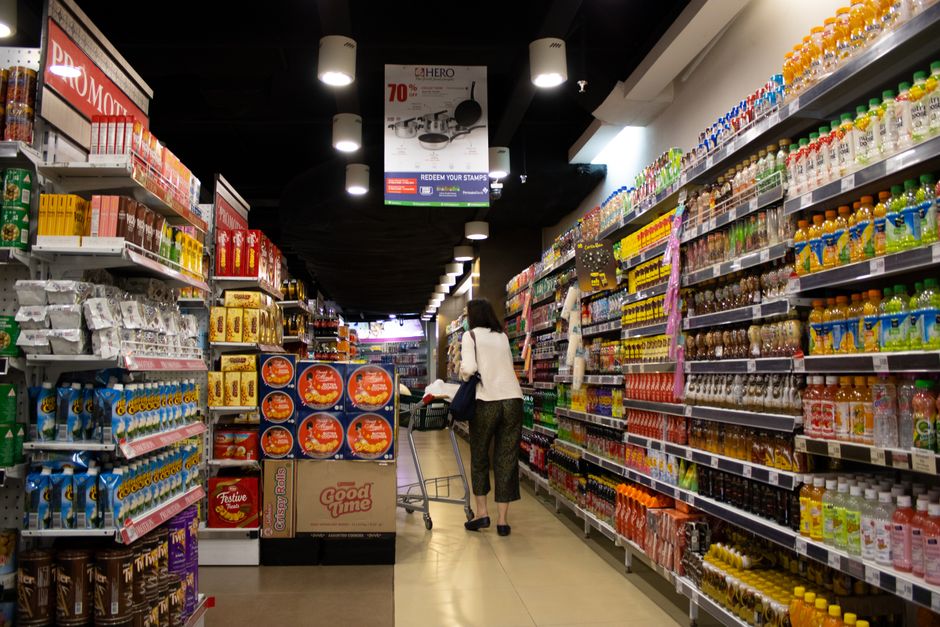
- Modern Retail: Hypermarkets (e.g., Carrefour, Hypermart) and supermarkets (e.g., Alfamart, Indomaret).
- E-commerce: Tokopedia, Shopee, and Bukalapak dominate, with F&B sales surging post-pandemic.
- Traditional Trade: Warungs (small shops) and wet markets still hold significant share, especially in rural areas.
| Segment | Market Size (USD) | Growth Rate |
|---|---|---|
| Packaged Foods | $45B | 7.2% |
| Beverages | $25B | 6.0% |
| Health & Wellness | $12B | 9.5% |
Opportunity Analysis
Indonesia’s F&B market is ripe for innovation, with several categories showing strong growth:
- Plant-Based Products: Demand for meat alternatives and dairy-free beverages is rising, with brands like Green Rebel gaining traction.
- Functional Beverages: Energy drinks and probiotic drinks are growing at 12% YoY, driven by health-conscious millennials.
- Snacking: Convenience-driven snacks (e.g., high-protein bars, traditional krupuk with modern twists) are expanding rapidly.
Pricing benchmarks vary by category:
- Premium Imported Goods: 20–30% higher than local brands.
- Mid-Tier Products: Competitive pricing with local players (e.g., Indofood, Mayora).
- Economy Segment: Price-sensitive, often sold in traditional trade channels.
Distribution Landscape
Indonesia’s distribution network is fragmented but well-established. Key players include:
- Retail Chains: Alfamart (18,000+ stores), Indomaret (20,000+ stores), and Hypermart (100+ locations).
- E-commerce: Tokopedia and Shopee account for 80% of online F&B sales, with DTC brands leveraging social commerce (e.g., Instagram, TikTok).
- Wholesalers: Sumber Alfaria and Kawan Lama are critical for bulk distribution.
For direct-to-consumer (DTC) brands, social media and marketplace integrations are essential. Brands like Kopi Kenangan have successfully scaled through app-based ordering and delivery partnerships.
Regulatory Snapshot
Indonesia’s F&B market is regulated by BPOM (National Agency of Drug and Food Control). Key requirements include:
- Labeling: Mandatory Indonesian-language labels, halal certification (via MUI), and nutritional information.
- Claims: Health claims require pre-approval; terms like “organic” or “natural” must be substantiated.
- Ingredient Restrictions: Certain additives (e.g., artificial sweeteners) face stricter scrutiny.
Compliance costs range from $5,000–$20,000, with timelines of 3–6 months for registration. Halal certification adds $2,000–$5,000 and 2–3 months to the process.
Launch Difficulty Score
Indonesia’s market presents moderate challenges but high rewards. Below is a breakdown of key factors:
| Factor | Score (0–100) |
|---|---|
| Demand | 85 |
| Competition | 70 |
| Regulatory Ease | 60 |
| Margin Opportunity | 75 |
Actionable Next Steps
- Conduct a Competitive Analysis: Benchmark against local leaders like Indofood and Mayora.
- Secure Halal Certification: Partner with a local agent to expedite the process.
- Optimize Pricing: Align with mid-tier or premium segments based on your brand positioning.
- Leverage E-commerce: Prioritize Tokopedia and Shopee for initial market testing.
- Engage a Local Distributor: Partner with established players like Sumber Alfaria for retail penetration.
- Monitor Inflation Trends: Adjust pricing strategies based on recent inflation data.
Sources
- FoodNavigator: Indonesia palm oil export controls
- Asia Food Journal: Fi Asia Indonesia 2026
- BPOM (National Agency of Drug and Food Control)
- Statista: Indonesia F&B Market Report 2023
Ready to expand into Indonesia? Get a personalized Market Expansion Blueprint or Scorecard from Nutri.Markets to navigate regulatory compliance, competitive positioning, and distribution strategies tailored to your brand.