How Top Food & Beverage Brands Are Pricing in South Korea: A Strategic Guide for Global Expansion
South Korea’s Food & Beverage (F&B) market is a dynamic landscape where global brands must balance competitive pricing, regulatory compliance, and consumer preferences to succeed. With a market size of over $100 billion and steady growth, South Korea offers lucrative opportunities for health, beauty, and wellness brands—provided they navigate pricing strategies effectively. This guide explores how leading brands are positioning themselves, key market trends, and actionable steps for successful market entry.
Market Overview
South Korea’s F&B market is valued at approximately $105 billion, with a projected CAGR of 4.2% through 2027. The market is split between retail (65%) and foodservice (35%), with e-commerce growing rapidly due to high digital adoption. Major channels include hypermarkets (e.g., E-Mart, Lotte Mart), convenience stores (CU, GS25), and online platforms like Coupang and Market Kurly.
| Segment | Market Size (USD Billion) | Growth Rate (CAGR) |
|---|---|---|
| Retail (Offline) | 52.5 | 3.8% |
| E-commerce | 18.2 | 12.1% |
| Foodservice | 34.3 | 4.5% |
Key drivers include health-conscious consumers, premiumization, and the rise of functional beverages. For example, non-alcoholic drinks are growing at 8% annually, driven by demand for low-sugar and plant-based options.
Opportunity Analysis
Top-performing categories in South Korea include:
- Functional Beverages: Probiotics, collagen, and vitamin-infused drinks are surging, with brands like Chobani and Yakult seeing strong adoption.
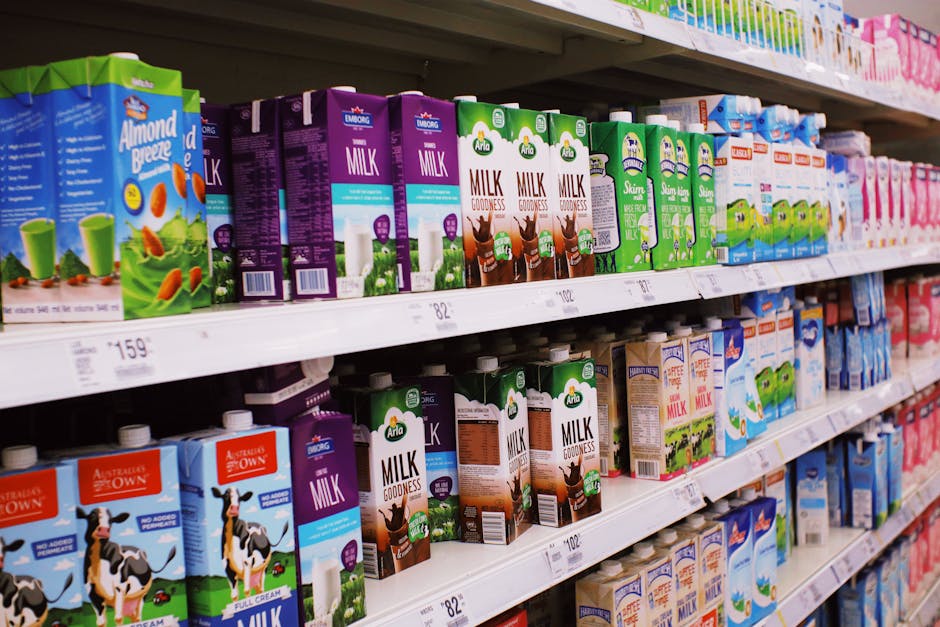
- Plant-Based Alternatives: Oat and almond milk sales grew by 22% in 2023, led by brands like Oatly and local players.
- Premium Snacks: High-protein and low-carb snacks are gaining traction, with pricing 30–50% higher than conventional options.
Pricing benchmarks vary by category:
| Category | Average Price (USD) | Premium Segment Price (USD) |
|---|---|---|
| Milk Tea | 3.50–5.00 | 6.00–8.00 |
| Protein Bars | 2.00–3.50 | 4.00–6.00 |
| Functional Water | 1.50–2.50 | 3.00–5.00 |
Chinese brands like HeyTea and Nayuki are expanding aggressively, pricing their products 10–15% below local competitors to gain market share. Meanwhile, Western brands like Chipotle are entering with premium positioning, targeting urban consumers willing to pay for authenticity.
Distribution Landscape
South Korea’s F&B distribution is dominated by:
- Retail Chains: E-Mart, Lotte Mart, and Homeplus account for 40% of grocery sales. Premium brands often partner with Shinsegae Department Store for higher visibility.
- Convenience Stores: CU and GS25 are critical for impulse purchases, with 70% of consumers visiting weekly.
- E-commerce: Coupang and Market Kurly lead online sales, with F&B growing at 15% YoY. Brands must optimize for mobile-first shopping.
Key distributors include:
- Pulmuone (for health-focused brands)
- Nongshim (for snack and beverage brands)
- Lotte International (for premium imports)
Direct-to-consumer (DTC) is viable but requires localized marketing, as seen with Mammoth Coffee’s success in subscription models.
Regulatory Snapshot
The Ministry of Food and Drug Safety (MFDS) oversees F&B regulations, with strict labeling and import requirements. Key considerations:
- Labeling: Korean-language labels are mandatory, including ingredients, allergens, and nutritional info. Non-compliance can delay launches by 3–6 months.
- Claims: Health claims require pre-approval, with functional foods needing additional certification.
- Ingredient Restrictions: Over 200 additives are prohibited, including certain artificial sweeteners.
Certifications like HACCP and Korea Organic are preferred but not mandatory. Compliance costs range from $5,000–$20,000, depending on complexity.
Launch Difficulty Score
| Factor | Score (0–100) |
|---|---|
| Demand | 85 |
| Competition | 70 |
| Regulatory Ease | 55 |
| Margin Opportunity | 75 |
Overall Score: 71/100 – Moderate difficulty with high reward potential for well-positioned brands.
Actionable Next Steps
- Conduct a Competitive Pricing Analysis: Benchmark against local and global brands in your category.
- Partner with a Local Distributor: Prioritize chains like Lotte or Pulmuone for retail placement.
- Optimize for E-commerce: List on Coupang and Market Kurly with localized product descriptions.
- Ensure Regulatory Compliance: Work with a Korean compliance consultant to avoid delays.
- Test Consumer Preferences: Use small-scale launches or pop-ups to gauge demand.
Sources
- The Korea Times – Chinese brands in Korean restaurants
- Nikkei Asia – Chinese milk tea expansion
- Ministry of Food and Drug Safety (MFDS) – Regulatory guidelines
Expanding into South Korea’s F&B market requires a data-driven approach to pricing, distribution, and compliance. Nutri.Markets can help you navigate these complexities with a tailored Market Expansion Blueprint or Scorecard. Contact us today to accelerate your global growth strategy.