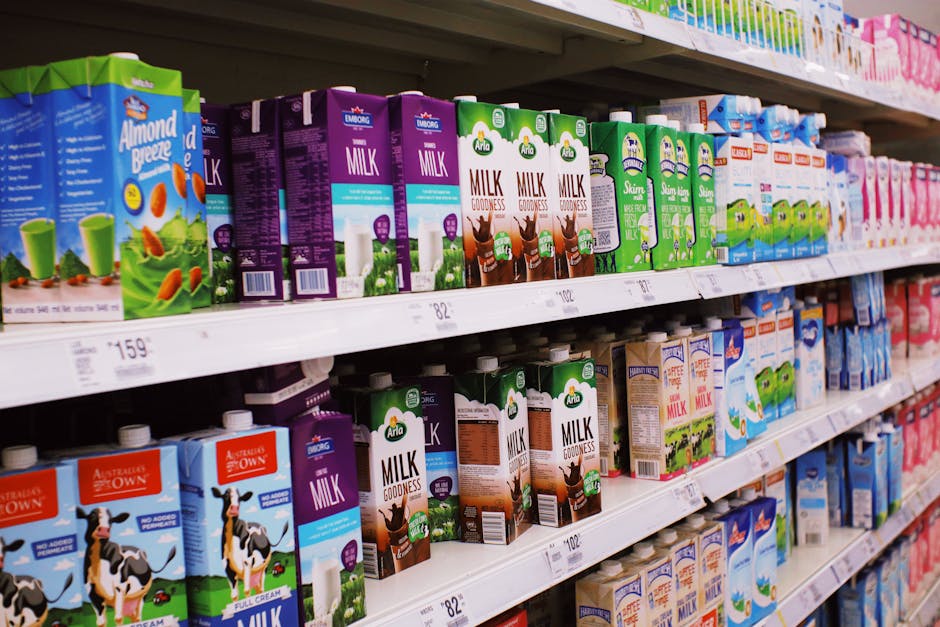
How Top Food & Beverage Brands Are Pricing in India
India’s Food & Beverage (F&B) market is a dynamic landscape shaped by rising disposable incomes, urbanization, and evolving consumer preferences. As global brands seek expansion opportunities, pricing strategies become a critical differentiator. In 2026, brands must balance affordability with premium positioning while navigating regulatory compliance and competitive pressures. This guide explores how leading F&B brands are structuring their pricing in India, offering actionable insights for market entry and growth.
Market Overview
India’s F&B market is projected to reach $540 billion by 2027, growing at a CAGR of 8.5% (McKinsey & Company, 2026). The market is split between traditional retail (65%) and e-commerce (35%), with modern trade channels like supermarkets and hypermarkets gaining traction in urban centers. Key segments driving growth include ready-to-eat (RTE) foods, health beverages, and premium snacks.
| Segment | Market Size (2026) | Growth Rate (CAGR) | Key Players |
|---|---|---|---|
| Ready-to-Eat Foods | $12 billion | 12% | ITC, Nestlé, Haldiram’s |
| Health Beverages | $8.5 billion | 10% | Tata Consumer, PepsiCo, Red Bull |
| Premium Snacks | $6.3 billion | 9% | Prataap Snacks, Bikaji, Mondelez |
E-commerce is a significant growth driver, with platforms like Amazon India and Flipkart capturing 30% of online F&B sales. The alcoholic beverages segment is also expanding, particularly in metro cities, with premiumization trends influencing pricing strategies.
Opportunity Analysis
India’s F&B market presents lucrative opportunities in several high-growth categories:
- Ready-to-Eat (RTE) Foods: Urban consumers prioritize convenience, with RTE meals growing at 12% annually. Brands like ITC and Nestlé dominate with competitive pricing between ₹50–₹200 per unit.
- Plant-Based Alternatives: The plant-based protein market is expanding rapidly, with brands like GoodDot and Sofit pricing products 15–20% higher than traditional dairy or meat.
- Health Beverages: Functional drinks, such as energy boosters and immunity-boosting beverages, are priced between ₹80–₹250, targeting health-conscious millennials.
Pricing benchmarks vary by category:
| Category | Price Range (INR) | Consumer Segment |
|---|---|---|
| Premium Snacks | ₹50–₹300 | Urban, middle to high-income |
| Health Beverages | ₹80–₹250 | Health-conscious consumers |
| RTE Meals | ₹50–₹200 | Working professionals, students |
Brands must also account for regional price sensitivity. For example, Tier 2 and Tier 3 cities demand lower price points, while metro consumers are willing to pay a premium for imported or organic products.
Distribution Landscape
India’s F&B distribution is fragmented, with a mix of traditional retail, modern trade, and e-commerce. Key channels include:
- Modern Trade: Chains like Reliance Retail, D-Mart, and Big Basket dominate, offering brands high visibility but requiring competitive pricing.
- E-commerce: Amazon India and Flipkart are critical for reaching digital-first consumers. Brands must optimize for search and pricing algorithms to stand out.
- Direct-to-Consumer (DTC): Emerging as a viable channel for premium brands, with companies like Epigamia and Happilo leveraging DTC for higher margins.
Wholesalers and regional distributors play a crucial role in Tier 2 and Tier 3 markets. Brands must partner with local distributors to navigate logistical challenges and ensure competitive pricing at the last mile.
Regulatory Snapshot
The Food Safety and Standards Authority of India (FSSAI) regulates all F&B products. Key compliance requirements include:
- Labeling: Mandatory FSSAI license number, nutritional information, and allergen declarations.
- Ingredient Restrictions: Certain additives and preservatives are prohibited or restricted.
- Certifications: Organic, non-GMO, and health claims require additional certifications, adding to compliance costs.
Estimated compliance costs range from ₹1–₹5 lakhs, depending on product complexity. The timeline for regulatory approval can take 3–6 months, making early planning essential.
Launch Difficulty Score
India’s F&B market offers significant opportunities but comes with challenges. Below is a scoring breakdown:
| Factor | Score (0–100) |
|---|---|
| Demand | 85 |
| Competition | 70 |
| Regulatory Ease | 60 |
| Margin Opportunity | 75 |
Overall, India scores 72/100 for market entry difficulty, indicating a balanced opportunity with moderate barriers.
Actionable Next Steps
To successfully enter India’s F&B market, brands should:
- Conduct a Competitive Pricing Analysis: Benchmark against local and global competitors to identify optimal price points.
- Partner with Local Distributors: Secure partnerships with regional wholesalers to ensure efficient last-mile delivery.
- Optimize for E-commerce: Leverage platforms like Amazon India and Flipkart to reach digital-first consumers.
- Ensure Regulatory Compliance: Work with FSSAI-approved consultants to streamline approvals.
- Test DTC Strategies: Pilot direct-to-consumer models in metro cities to gauge demand and pricing elasticity.
Sources
- Fortune Business Insights. (2026). Alcoholic Beverages Market Size, Share & Trends | Report [2034]
- McKinsey & Company. (2026). State of Food and Beverage: The choices CPG leaders can make to renew growth.
- Food Safety and Standards Authority of India (FSSAI). (2026). Regulatory Guidelines for Food & Beverage Products.
Expanding into India’s F&B market requires a strategic approach to pricing, distribution, and compliance. For a tailored Market Expansion Blueprint or Scorecard, connect with Nutri.Markets to navigate your brand’s global growth journey.