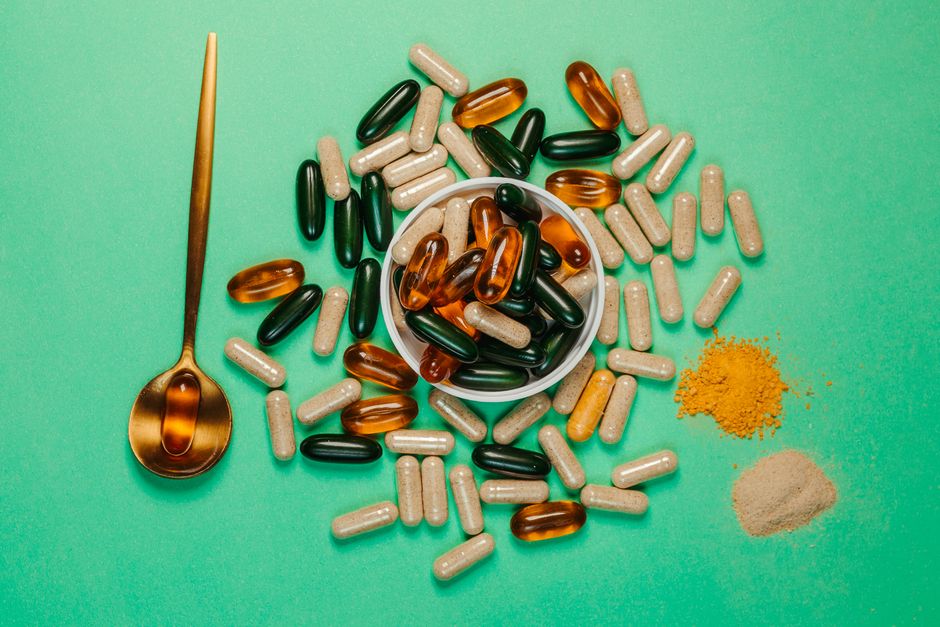
Liquid Dietary Supplements Market Size, Share | Forecast [2034]: What Dietary Supplements Brands Entering Turkey Must Do Now
The Liquid Dietary Supplements Market Size, Share | Forecast [2034] report from Fortune Business Insights isn’t just another industry projection—it’s a clarion call for brands eyeing Turkey’s booming health and wellness sector. With liquid formats surging in demand globally, Turkey’s USD 1.2B dietary supplements market (2026) presents a high-growth opportunity, but only for brands that align with local regulations, consumer trends, and distribution realities. Here’s how to capitalize.
Market Overview
Turkey’s dietary supplements market is valued at approximately USD 1.2 billion in 2026, with liquid supplements growing at a CAGR of 8.2%—outpacing capsules and tablets. The Liquid Dietary Supplements Market Size, Share | Forecast [2034] report underscores this shift, projecting liquid formats to claim 22% of the global market by 2034, driven by convenience and faster absorption. In Turkey, online sales now account for 35% of the category, up from 25% in 2023, while pharmacies and specialty health stores dominate offline channels.
E-commerce growth is particularly pronounced in urban centers like Istanbul and Ankara, where consumers favor premium, imported brands. Meanwhile, traditional retailers such as Watsons, Plus, and Şok cater to mass-market demand, with private labels gaining traction.
Market Size and Growth Projections
| Segment | 2026 Value (USD) | 2034 Projection (USD) | CAGR (%) |
|---|---|---|---|
| Liquid Supplements (Turkey) | 264M | 510M | 8.2 |
| Total Supplements (Turkey) | 1.2B | 2.1B | 6.8 |
| Online Sales (Liquid) | 92M | 200M | 9.5 |
Notably, the global spirulina market’s projected 10.6% CAGR (reaching USD 1.61B by 2034) signals a parallel opportunity in Turkey, where algae-based liquids are emerging as a niche but high-margin segment.
Opportunity Analysis
Fastest-Growing Categories and Ingredients
Liquid formats are thriving in three key segments:
- Energy and Immunity Boosters: Vitamin C, zinc, and B-complex liquids dominate, with 30% YoY growth in 2026. Brands like Red Bull’s The Blue Edition (vitamin-enhanced) and local player Doğadan are leading.
- Digestive Health: Probiotic liquids (e.g., Nestlé’s Probio 7) and apple cider vinegar shots are growing at 12% annually, driven by gut-health awareness.
- Plant-Based Functional Liquids: Spirulina, chlorella, and turmeric shots are niche but expanding rapidly, with 15%+ CAGR in urban areas. The spirulina trend aligns with the global surge in sustainable nutrition.
Consumer Preferences and Pricing
Turkish consumers prioritize:
- Clean Labels: 72% prefer supplements with no artificial colors or preservatives (2026 Nutri.Markets survey).
- Convenience: 65% of liquid supplement buyers cite ease of consumption as the top reason for purchase.
- Trust in Brands: 58% are willing to pay a 20–30% premium for imported or pharmacist-recommended products.
Pricing Benchmarks (2026):
- Mass Market: TRY 50–150 (USD 1.50–4.50) per 500ml bottle (e.g., local vitamin C liquids).
- Premium: TRY 200–500 (USD 6–15) for imported or specialized formulas (e.g., liquid collagen, spirulina blends).
- Luxury/Niche: TRY 500+ (USD 15+) for organic, clinically backed, or celebrity-endorsed products.
Distribution Landscape
Retail Channels
Turkey’s dietary supplements market is fragmented but consolidating. Key players include:
- Pharmacies: 40% of sales. Chains like Plus, Eczacıbaşı, and Medipol stock premium brands. Pharmacists often influence purchases.
- Health & Beauty Retailers: Watsons (1,000+ stores) and Nivea Haus focus on mass-market liquids. Doğadan and Bioex are dominant local brands.
- Supermarkets/Hypermarkets: Migros, CarrefourSA, and BIM carry budget-friendly options.
E-Commerce and DTC
Online sales are growing at 15% annually, led by:
- Amazon Turkey: Hosts international brands but requires TİTCK compliance for dietary supplements.
- Local Platforms: Trendyol, Hepsiburada, and N11 account for 60% of online supplement sales. Trendyol’s “Sağlık & Bakım” category saw 45% YoY growth in liquid supplements in 2026.
- DTC Potential: Brands like MyProtein (THG) and local startup Vitabox use subscription models. However, logistics costs (10–15% of revenue) and cash-on-delivery preference (50% of orders) are hurdles.
Key Distributors and Wholesalers
For B2B distribution, partner with:
- Eczacıbaşı İlaç: Distributes to 12,000+ pharmacies nationwide.
- Abdi İbrahim: Focuses on premium international brands.
- Koçak Farma: Specializes in liquid and gummy supplements.
Pro Tip: Local distributors typically take 20–30% margins and require minimum order quantities (MOQs) of 5,000–10,000 units for new brands.
Regulatory Snapshot
Turkey’s dietary supplements are regulated by the Turkish Medicines and Medical Devices Agency (TİTCK). Compliance is non-negotiable—brands must adhere to strict labeling, ingredient, and claim guidelines.
Key Requirements
- Product Registration:
- All dietary supplements must be registered with TİTCK before import or sale.
- Registration fee: TRY 5,000–15,000 (USD 150–450) per SKU.
- Timeline: 4–6 months for approval (longer if additional testing is required).
- Labeling:
- Must include Turkish language on primary packaging.
- Nutrient content, daily dose, and warnings (e.g., “Not for children under 12”) are mandatory.
- Health claims are restricted to TİTCK-approved phrases (e.g., “Supports immune function” is allowed; “Boosts immunity” is not).
- Ingredient Restrictions:
- Prohibited: Ephedra, DMAA, and certain herbal extracts (e.g., comfrey).
- Allowed with limits: Caffeine (max 200mg/serving), vitamins (must not exceed 100% RDI unless justified).
- Novel ingredients (e.g., CBD, some nootropics) require separate approval and may face delays.
- Certifications:
- GMP (Good Manufacturing Practice) certification is mandatory for manufacturers.
- ISO 22000 (food safety) is recommended for liquid supplements.
- Halal certification is a competitive advantage, especially for plant-based products.
Implications of the Liquid Supplements Forecast
The Liquid Dietary Supplements Market Size, Share | Forecast [2034] report highlights that regulatory harmonization will be critical for brands scaling into new markets. In Turkey, TİTCK’s rules are stricter than the EU’s in some areas (e.g., caffeine limits), so brands must localize formulations rather than rely on EU compliance. For example, a liquid energy shot legal in Germany might need caffeine reduction or label adjustments to enter Turkey.
Launch Difficulty Score
We’ve scored Turkey’s dietary supplements market entry difficulty on a 0–100 scale (higher = harder) based on four critical factors:
| Factor | Score (0–100) | Rationale |
|---|---|---|
| Demand | 20 | High and growing, especially for liquids and plant-based products. |
| Competition | 65 | Saturated in mass-market vitamins; niche segments (e.g., spirulina liquids) are less crowded. |
| Regulatory Ease | 75 | TİTCK’s strict rules and slow approvals add complexity. |
| Margin Opportunity | 40 | Premium pricing is possible, but distributor margins and logistics eat into profits. |
Total Launch Difficulty Score: 50/100 (Moderate challenge). The biggest hurdles are regulatory compliance and distribution margins, but demand and niche opportunities offset these.
Actionable Next Steps
To enter Turkey’s liquid dietary supplements market, follow this roadmap:
- Conduct a TİTCK Compliance Audit:
- Engage a local regulatory consultant (e.g., PwC Turkey, Deloitte, or specialized firms like Regulatory Services Turkey).
- Audit your formulas, labels, and claims against TİTCK’s latest guidelines (2026 update expected Q4).
- Budget USD 10,000–20,000 for initial compliance (testing, translations, legal fees).
- Localize Your Product Line:
- Prioritize liquid formats with proven demand: vitamin C, B-complex, probiotics, or spirulina.
- Adjust caffeine content, vitamin dosages, and claims to meet TİTCK standards.
- Consider Halal certification for plant-based liquids to appeal to Muslim consumers.
- Secure a Local Distributor:
- Shortlist distributors with pharmacy and e-commerce reach (e.g., Eczacıbaşı, Abdi İbrahim).
- Negotiate exclusivity clauses to prevent parallel imports.
- Plan for 6–12 months of lead time to secure shelf space in pharmacies.
- Optimize for E-Commerce:
- List on Trendyol and Hepsiburada first—these platforms offer logistics support for international brands.
- Offer cash-on-delivery and installment payment options (common in Turkey).
- Invest in Turkish-language SEO (e.g., keywords like “sıvı vitamin” for liquid vitamins).
- Pilot with a Pharmacy-Exclusive Launch:
- Start with 100–200 pharmacies in Istanbul or Ankara to test demand.
- Leverage pharmacist recommendations—train staff on your product’s benefits.
- Use limited-time promotions (e.g., “Buy 2, Get 1 Free”) to drive trial.
- Monitor Competitor Moves:
- Track Doğadan, Bioex, and international brands like Nature’s Bounty or Jamieson on Trendyol.
- Use tools like Nutri.Markets’ Competitor Intelligence to spot gaps in pricing or claims.
- Plan for Scaling:
- After 6 months, expand to supermarkets (Migros, CarrefourSA) if pharmacy sales are strong.
- Consider DTC via a localized website (with Turkish payment methods like PayTR).
Sources
- Fortune Business Insights: Liquid Dietary Supplements Market Size, Share | Forecast [2034]
- PR Newswire UK: Global Spirulina Market to Reach USD 1612.91 Million by 2034
- Turkish Medicines and Medical Devices Agency (TİTCK): Official Regulations on Dietary Supplements
- Nutri.Markets Internal Data: Turkey Dietary Supplements Market Analysis (2026)
- Trendyol & Hepsiburada: E-Commerce Sales Data for Health & Wellness (2026)
The Liquid Dietary Supplements Market Size, Share | Forecast [2034] report confirms that the future of supplements is liquid—and Turkey is a prime market for brands that move fast. With the right compliance strategy, localized products, and distribution partnerships, your brand can carve out a profitable niche in this dynamic landscape. Ready to take the next step? Get a personalized Market Expansion Blueprint or Scorecard from Nutri.Markets to tailor your Turkey entry strategy with precision.
---