Selling Dietary Supplements in UAE & Gulf: Retail Strategy Guide
28 July 2026
·
4 min read
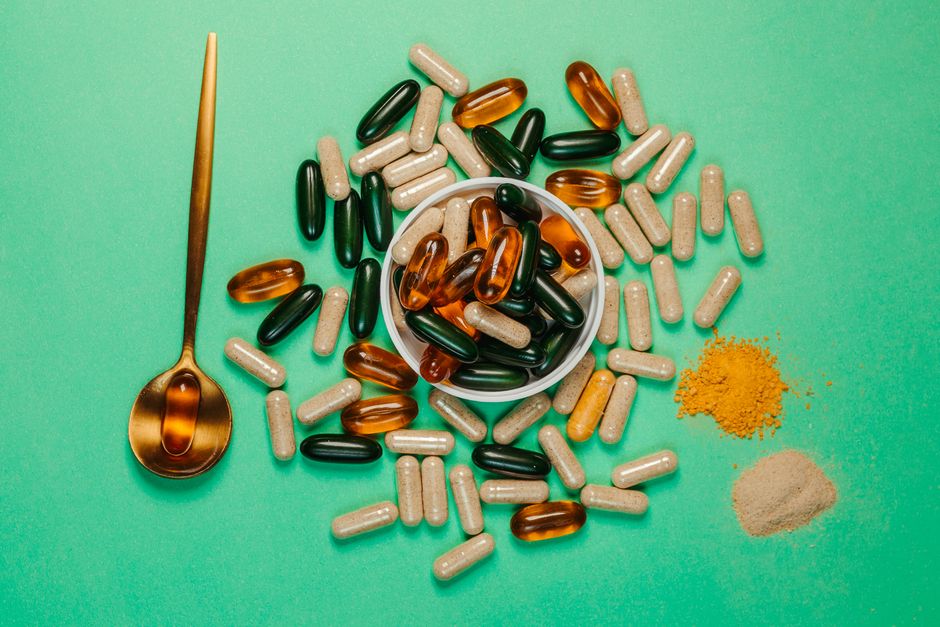
Photo by Jonathan Borba on Pexels
# Selling Dietary Supplements in UAE & Gulf: Retailer Requirements and Strategy
The UAE and Gulf region present a lucrative yet complex market for dietary supplement brands. With rising health consciousness, regulatory oversight by ESMA and MOH, and a diverse retail landscape, brands must navigate compliance, distribution, and consumer preferences strategically. This guide provides actionable insights for global expansion, covering market size, regulatory hurdles, and distribution strategies to secure retail listings.
## Market Overview
The dietary supplements market in the UAE and Gulf is projected to grow at a CAGR of **6.8%** from 2023 to 2030, driven by increasing demand for wellness products. The market is valued at **$1.2 billion** in 2024, with the UAE accounting for nearly **40%** of regional sales.
### Key Market Data
| **Metric** | **Value** |
|------------|-----------|
| Market Size (2024) | $1.2B |
| CAGR (2023–2030) | 6.8% |
| Online vs. Retail Split | 30% Online, 70% Retail |
| Top Retail Channels | Pharmacies (45%), Supermarkets (30%), E-commerce (25%) |
The UAE dominates the Gulf market, followed by Saudi Arabia and Qatar. Pharmacies remain the primary sales channel, but e-commerce is growing rapidly, with platforms like **Noon, Amazon.ae, and local health-focused retailers** gaining traction.
## Opportunity Analysis
### Best-Selling Categories
- **Vitamins & Minerals** (35% market share)
- **Herbal & Botanical Supplements** (25%)
- **Sports Nutrition** (20%)
- **Digestive Health** (15%)
### Fastest-Growing Ingredients
- **Hydroxytyrosol** (antioxidant demand rising, per [IndexBox](https://www.indexbox.io))
- **Electrolyte blends** (driven by UAE’s extreme heat, as noted in [Gulf News](https://gulfnews.com))
- **Plant-based proteins** (aligned with regional wellness trends)
### Consumer Preferences
- **Halal certification** is critical for mass-market acceptance.
- **Premium pricing** is viable, with consumers willing to pay **20–30% more** for imported brands.
- **Localized packaging** (Arabic labeling) boosts trust and compliance.
## Distribution Landscape
### Top Retailers
- **Pharmacies**: Boots, Life Pharmacy, BinSina
- **Supermarkets**: Carrefour, Lulu Hypermarket, Spinneys
- **E-commerce**: Noon, Amazon.ae, local health stores
### E-commerce Opportunity
- Amazon.ae and Noon account for **60% of online supplement sales**.
- Direct-to-consumer (DTC) models are emerging but face logistical challenges due to customs and last-mile delivery costs.
### Key Distributors
- **Al Maya Group** (FMCG distribution)
- **Al Futtaim Health** (pharmacy and wellness)
- **Gulf Marketing Group** (multi-category retail)
## Regulatory Snapshot
The UAE and Gulf markets are regulated by:
- **Emirates Authority for Standardization and Metrology (ESMA)** – product registration
- **Ministry of Health (MOH)** – health claims and safety
### Compliance Requirements
- **Product Registration**: Mandatory for all supplements, costing **$1,500–$3,000 per SKU** and taking **3–6 months**.
- **Labeling**: Must include Arabic translations, halal certification (if applicable), and ESMA-approved claims.
- **Prohibited Ingredients**: Ephedra, DMAA, and certain stimulants are banned.
- **Certifications**: GMP, ISO 22000, and halal certification are preferred.
### Estimated Compliance Costs
| **Requirement** | **Cost (USD)** | **Timeline** |
|----------------|---------------|-------------|
| Product Registration | $1,500–$3,000 | 3–6 months |
| Labeling Compliance | $500–$1,500 | 1–2 months |
| Halal Certification | $2,000–$5,000 | 2–4 months |
## Launch Difficulty Score
| **Factor** | **Score (0–25)** |
|------------|------------------|
| Demand | 20 |
| Competition | 18 |
| Regulatory Ease | 12 |
| Margin Opportunity | 15 |
| **Total** | **65/100** |
The UAE and Gulf market offers strong demand but faces moderate regulatory complexity. Brands with pre-existing compliance frameworks will find entry smoother.
## Actionable Next Steps
1. **Conduct a Gap Analysis**: Compare your product formulations against ESMA/MOH restrictions.
2. **Secure Halal Certification**: Essential for mass-market acceptance.
3. **Partner with a Local Distributor**: Al Maya Group or Al Futtaim Health can expedite retail listings.
4. **Register Products Early**: Begin the 3–6 month ESMA process before launch.
5. **Optimize for E-commerce**: List on Noon and Amazon.ae with localized content.
6. **Pilot in Pharmacies**: Boots and Life Pharmacy are ideal for premium positioning.
7. **Monitor Competitor Pricing**: Benchmark against brands like **Blackmores and Nature’s Bounty**, which dominate the market.
## Sources
- [IndexBox: UAE Hydroxytyrosol Market Analysis](https://www.indexbox.io)
- [Gulf News: Electrolyte Drinks in UAE Heat](https://gulfnews.com)
- Emirates Authority for Standardization and Metrology (ESMA)
- Ministry of Health (MOH) UAE Guidelines
Expanding into the UAE and Gulf requires strategic planning, but the rewards are substantial. For a tailored **Market Expansion Blueprint** or **Scorecard**, connect with Nutri.Markets to assess your brand’s readiness and optimize your entry strategy.
Topics
Dietary Supplements
UAE & Gulf
global expansion
regulatory compliance
market entry
retail channels
distributor
retail buyers
listing requirements
Ready to expand 🇦🇪 into UAE & Gulf?
Get a complete Market Expansion Blueprint — regulatory compliance, retailer & distributor contacts, Amazon playbook, AI label analysis, and your 90-day roadmap.
Get My Blueprint — $7,500 →