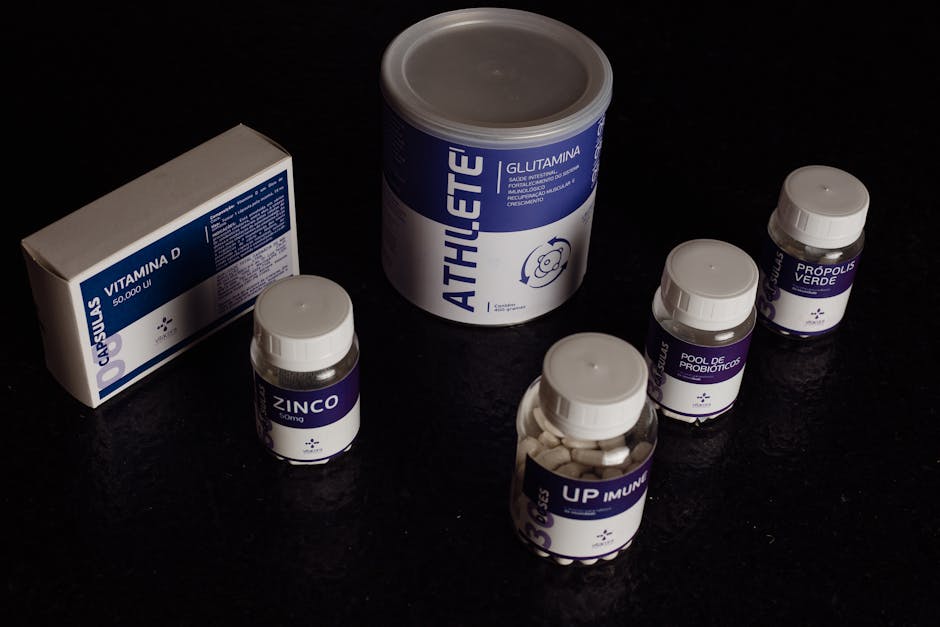
Sports Nutrition Market Expansion in Thailand: Key Data Points
Thailand’s sports nutrition market is poised for significant growth, driven by rising health consciousness, a booming fitness culture, and increasing disposable incomes. For global brands eyeing market expansion in Thailand, understanding the regulatory landscape, consumer preferences, and distribution channels is critical. This guide provides actionable insights into market size, growth opportunities, and strategic entry points for sports nutrition brands.
Market Overview
The Thailand sports nutrition market is projected to grow at a CAGR of 8.2% from 2026 to 2033, reaching an estimated $320 million by 2033 (Grand View Research). The market is split between online and retail channels, with e-commerce accounting for 35% of sales, driven by platforms like Lazada and Shopee. Brick-and-mortar retail remains dominant, led by health-focused chains such as Boots Thailand and Watsons.
| Segment | Market Size (2024) | Projected CAGR (2026–2033) |
|---|---|---|
| Protein Powders | $110M | 9.1% |
| Energy & Endurance | $85M | 7.8% |
| Recovery Supplements | $60M | 8.5% |
Key growth drivers include:
- Rising gym memberships and fitness trends among urban consumers.
- Increasing demand for plant-based and clean-label sports nutrition products.
- Government initiatives promoting sports and wellness tourism.
Opportunity Analysis
The fastest-growing segments in Thailand’s sports nutrition market are plant-based protein powders and ready-to-drink (RTD) protein beverages. Consumer preferences lean toward products with natural ingredients, low sugar, and functional benefits like immunity support.
Pricing benchmarks vary by category:
- Protein powders: $25–$40 per kg (premium brands command higher prices).
- Energy gels: $2–$5 per unit.
- RTD protein drinks: $3–$6 per bottle.
Emerging trends include:
- Edible insects as a sustainable protein source, gaining traction among eco-conscious consumers (Market Research Future).
- Collagen-infused sports nutrition products, popular among aging athletes.
Distribution Landscape
Thailand’s sports nutrition distribution is dominated by:
- Retail Chains: Boots Thailand, Watsons, and local health stores like Fitness First outlets.
- E-commerce: Lazada and Shopee account for 60% of online sales, with Amazon Thailand gaining traction.
- Direct-to-Consumer (DTC): Brands like Herbalife and Amway leverage social media and influencer partnerships.
Key distributors include:
- Siam Makro (wholesale distributor for retail chains).
- Berli Jucker (logistics and distribution partner for health brands).
Regulatory Snapshot
The Thai Food and Drug Administration (FDA) regulates sports nutrition products under the Food Act B.E. 2522 (1979). Key requirements include:
- Labeling: Must be in Thai, with clear ingredient lists and nutritional information.
- Claims: Health claims require pre-approval; performance claims are restricted.
- Ingredient Restrictions: Some stimulants (e.g., high-dose caffeine) are prohibited.
Certifications to consider:
- GMP (Good Manufacturing Practice) for local production.
- Halal certification for Muslim consumer segments.
Estimated compliance costs range from $5,000–$15,000, with a timeline of 3–6 months for approval.
Launch Difficulty Score
| Factor | Score (0–100) |
|---|---|
| Demand | 85 |
| Competition | 70 |
| Regulatory Ease | 60 |
| Margin Opportunity | 75 |
Overall Score: 72/100 (Moderate difficulty with high reward potential).
Actionable Next Steps
- Conduct a competitive analysis of top-selling brands in Thailand (e.g., MuscleTech, Optimum Nutrition).
- Partner with a local distributor like Siam Makro or Berli Jucker for retail placement.
- Optimize product labels for Thai FDA compliance, including bilingual packaging.
- Leverage e-commerce by listing on Lazada and Shopee with localized marketing.
- Engage fitness influencers on platforms like TikTok and Instagram for brand awareness.
- Apply for Halal certification to tap into Thailand’s Muslim consumer base.
- Test pricing strategies with mid-range products before scaling premium offerings.
Sources
- Grand View Research. (2023). Thailand Sports Nutrition Market Size & Outlook, 2026–2033.
- Market Research Future. (2023). Edible Insects Market Trends.
- Thai Food and Drug Administration. (2024). Food Act B.E. 2522 (1979).
Expanding into Thailand’s sports nutrition market requires strategic planning and local expertise. For a tailored Market Expansion Blueprint or Scorecard, connect with Nutri.Markets to navigate regulatory hurdles, identify high-potential channels, and accelerate your brand’s growth in Southeast Asia.