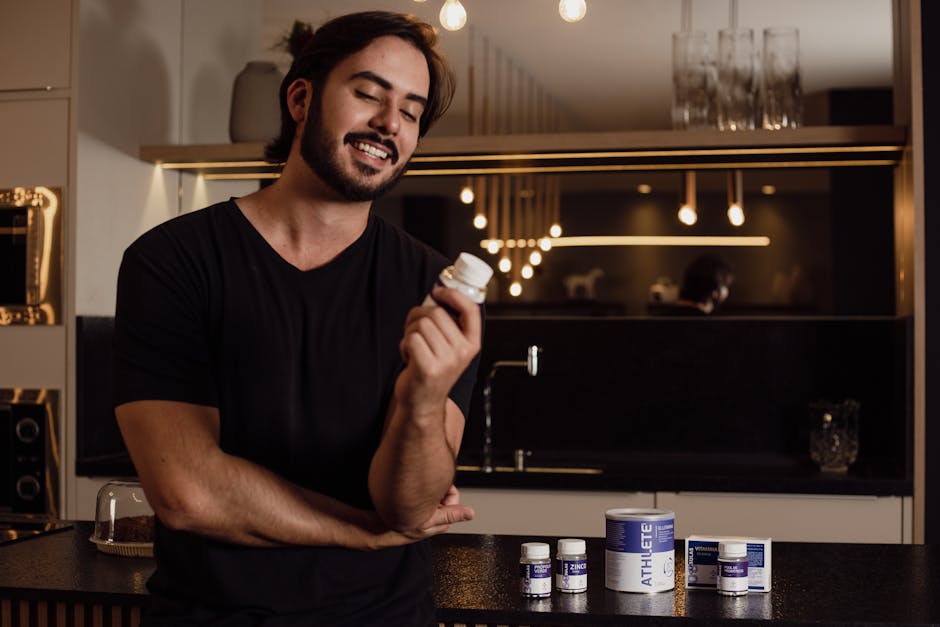
Sports Nutrition Market Positioning in Brazil: What Works Now
Brazil’s sports nutrition market is booming, driven by rising health consciousness, gym culture, and a growing middle class. For brands eyeing global expansion, Brazil offers a lucrative but complex landscape. Success hinges on strategic market positioning, regulatory compliance, and understanding local consumer preferences. This guide breaks down the essentials—from market size and distribution channels to regulatory hurdles and competitive benchmarks—to help you craft a winning entry strategy.
Market Overview
The Brazilian sports nutrition market is projected to grow at a CAGR of 8.5% through 2035, reaching over $2 billion in revenue. The segment is dominated by protein powders, bars, and ready-to-drink (RTD) beverages, with e-commerce gaining traction alongside traditional retail.
Key market dynamics:
- Market size: Estimated at $1.2 billion in 2024, with protein supplements leading at 40% market share.
- Growth drivers: Increased gym memberships (up 12% YoY), influencer marketing, and demand for plant-based alternatives.
- Channel split: 60% retail (pharmacies, supermarkets, specialty stores), 30% e-commerce, 10% direct-to-consumer (DTC).
| Segment | Market Share (%) | Growth Rate (CAGR) |
|---|---|---|
| Protein Powders | 40% | 9.2% |
| Protein Bars | 25% | 7.8% |
| RTD Beverages | 20% | 10.1% |
| Amino Acids/BCAAs | 10% | 6.5% |
Major retail chains like Drogaria São Paulo and Pão de Açúcar dominate brick-and-mortar sales, while Amazon Brazil and Mercado Livre lead online. The RTD segment is the fastest-growing, fueled by convenience trends among urban consumers.
Opportunity Analysis
Brazil’s sports nutrition market favors innovation, particularly in plant-based proteins and functional ingredients. Key opportunities include:
- Plant-based proteins: Pea and rice protein demand is surging, with a 15% YoY increase in product launches.
- Functional additives: Collagen, creatine, and adaptogens (e.g., ashwagandha) are gaining traction.
- Pricing benchmarks: Mid-tier products ($20–$40 per unit) dominate, but premium imports (e.g., Optimum Nutrition, MyProtein) command higher margins.
| Product Type | Average Price (BRL) | Consumer Preference |
|---|---|---|
| Whey Protein (1kg) | R$120–R$200 | High demand for flavored options (chocolate, vanilla) |
| Protein Bars | R$10–R$25 | Low-sugar, high-fiber variants preferred |
| BCAA Powders | R$80–R$150 | Fruit-flavored mixes outperform unflavored |
Consumer preferences skew toward convenience and clean labels. Brands like IntegralMédica and Growth Supplements lead locally, but international players can compete with differentiated formulations.
Distribution Landscape
Brazil’s distribution network is fragmented but offers multiple entry points:
- Retail pharmacies: Chains like Drogaria Onofre and Drogaria Raia are key for supplements.
- Supermarkets: Carrefour and Extra dedicate shelf space to sports nutrition.
- E-commerce: Amazon Brazil and Mercado Livre account for 30% of sales, with DTC brands like BodyAction gaining share.
- Specialty stores: Centauro (sports retailer) and Suplemento Mais cater to fitness enthusiasts.
For DTC success, brands must invest in localized marketing (e.g., partnerships with Brazilian fitness influencers) and navigate high logistics costs. Wholesalers like Distribuidora de Suplementos can streamline B2B distribution.
Regulatory Snapshot
Brazil’s sports nutrition market is regulated by ANVISA (Agência Nacional de Vigilância Sanitária), which classifies supplements under “Alimentos para Atletas” (Foods for Athletes). Key requirements:
- Labeling: Mandatory Portuguese labels with ingredient lists, nutritional info, and ANVISA registration numbers.
- Claims: Only health claims approved by ANVISA are permitted (e.g., “supports muscle recovery” vs. “increases muscle mass”).
- Ingredient restrictions: Stimulants like DMAA are banned; caffeine limits apply (up to 400mg per serving).
- Certifications: ISO 22000 or FSSC 22000 for manufacturing facilities.
Compliance costs range from $10,000–$30,000, with a 6–12 month approval timeline. Partnering with a local regulatory consultant is critical to avoid delays.
Launch Difficulty Score
| Factor | Score (0–25) |
|---|---|
| Demand | 22 |
| Competition | 18 |
| Regulatory Ease | 15 |
| Margin Opportunity | 20 |
| Total | 75/100 |
Brazil scores moderately for market entry, with strong demand offset by regulatory complexity. Brands with unique formulations or pricing strategies can outperform competitors.
Actionable Next Steps
- Conduct a competitive benchmark: Analyze top-selling SKUs on Amazon Brazil and Mercado Livre for pricing and positioning gaps.
- Partner with a local distributor: Work with firms like Distribuidora de Suplementos to navigate retail placement.
- Secure ANVISA approval: Allocate 6–12 months for registration and labeling compliance.
- Localize marketing: Collaborate with Brazilian fitness influencers (e.g., @LucasOliota) for credibility.
- Test pricing strategies: Mid-tier products ($20–$40) perform best, but premium imports can justify higher price points.
Sources
- Market Data Forecast: Sports Nutrition Market Analysis
- PR Newswire: Sports Nutrition Market Size Report
- ANVISA: Regulatory Guidelines for Dietary Supplements
Ready to expand into Brazil? Nutri.Markets provides tailored Market Expansion Blueprints and Scorecards to streamline your entry. Contact us to benchmark your strategy against top performers and unlock growth opportunities.