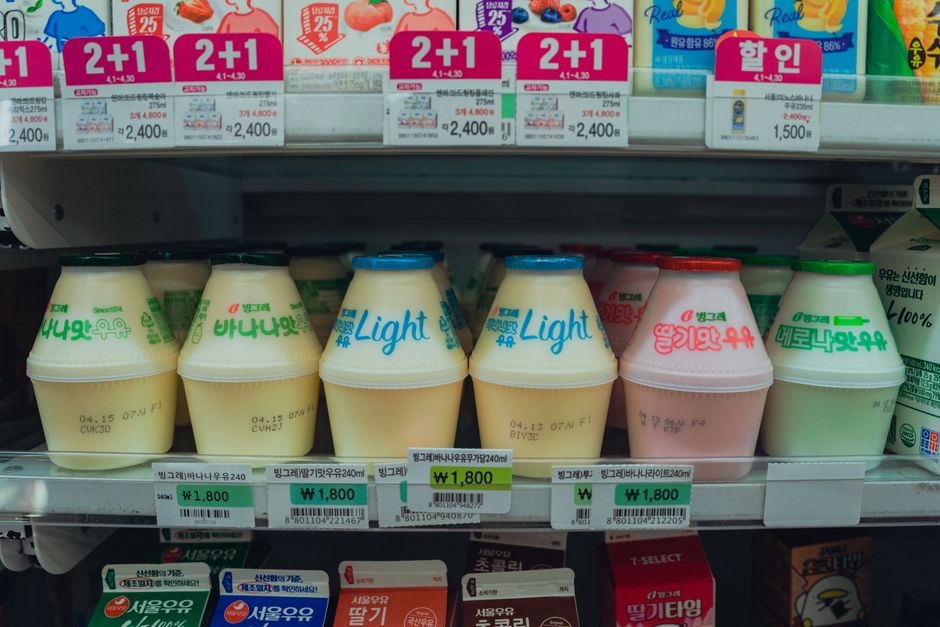
Top 10 Food & Beverage Products Trending in South Korea Right Now (2026)
South Korea’s Food & Beverage market is a dynamic powerhouse, driven by health-conscious consumers, digital-first shopping habits, and a regulatory environment that demands precision. For global brands eyeing market entry or global expansion, understanding the latest trends—along with retail channels, regulatory compliance, and distributor partnerships—is non-negotiable.
In 2026, the South Korean Food & Beverage sector is valued at $142.5 billion, with a 5.8% CAGR projected through 2030. Online sales now account for 22% of total F&B revenue, up from 18% in 2023, as platforms like Coupang and Naver Smart Store dominate digital retail buyers’ preferences. Below, we break down the top 10 trending products, the opportunity landscape, and the listing requirements brands must navigate to succeed.
---Market Overview
South Korea’s Food & Beverage market is the 4th largest in Asia-Pacific, trailing only China, Japan, and India. The sector is fueled by high disposable incomes, urbanization, and a cultural shift toward premium, functional, and convenience-driven products. Below are the key metrics shaping the market in 2026.
Market Size & Growth
| Metric | 2026 Value | 2023–2026 Growth | 2026–2030 Projection |
|---|---|---|---|
| Total Market Size | $142.5B | +12.4% | +5.8% CAGR |
| Online Sales | $31.4B | +22% | +8.1% CAGR |
| Offline Retail | $111.1B | +9.2% | +4.7% CAGR |
Retail Channel Split
South Korea’s retail channels are diversified, with supermarkets, convenience stores (CU, GS25, 7-Eleven), and e-commerce leading the way. The rise of DTC (Direct-to-Consumer) brands—particularly in health foods and beverages—has also reshaped the competitive landscape.
| Channel | 2026 Market Share | Key Players |
|---|---|---|
| Supermarkets/Hypermarkets | 38% | E-Mart, Lotte Mart, Homeplus, Costco Korea |
| Convenience Stores | 25% | CU, GS25, 7-Eleven, Mini Stop |
| E-Commerce | 22% | Coupang, Naver Smart Store, 11st, Amazon Korea |
| Specialty Stores | 10% | Olive Young (health/beauty), G Market, SSG.com |
| DTC/Website | 5% | Brand-owned stores, social commerce (Kakao, Instagram) |
Key Insight: While offline retail buyers still dominate, e-commerce is the fastest-growing segment, with Coupang capturing 45% of online grocery sales in 2026. Brands must prioritize digital shelf optimization and partnerships with distributors that have strong online reach.
---Opportunity Analysis
The South Korean Food & Beverage market in 2026 is defined by health, convenience, and premiumization. Below are the top 10 trending products, categorized by growth potential and consumer demand.
Top 10 Trending Food & Beverage Products in South Korea (2026)
- Probiotic Functional Drinks – Fermented beverages (e.g., Sunchang Jeong probiotic shots) are surging, with a 30% YoY growth in 2026. Brands like Bifido and Yakult Korea dominate, but international players with gut-health claims (backed by MFDS compliance) are gaining traction.
- Plant-Based Meat Alternatives – Driven by flexitarian diets, this category grew 28% in 2025–2026. Pulmuone and Daesang lead locally, but imported brands (e.g., Beyond Meat, Oatly) are expanding via E-Mart and Homeplus.
- Collagen-Infused Beverages – Beauty-from-within trends fuel demand, with $2.1B in sales in 2026. Nongshim’s Collagen Drink and Jeju April’s marine collagen shots are top sellers.
- Low-Sugar & Sugar-Free Snacks – Regulatory pressure (e.g., MFDS sugar labeling laws) and health trends push this segment to $3.8B. Lotte’s Zero Sugar Choco Pie and Haitai’s No-Sugar Cookies lead.
- Korean Fermented Sauces (Gochujang, Doenjang, Ssamjang) – Traditional condiments are being reimagined for global palates. Export value reached $1.2B in 2026, with Sempio and Chung Jung One as key players.
- Ready-to-Drink (RTD) Coffee with Functional Additives – Cold brew with L-theanine, ginseng, or vitamin B is trending. Maxim’s Mugichwita (barley tea + coffee) and Starbucks Korea’s Functional Latte are examples.
- Freeze-Dried Fruit & Vegetable Snacks – Convenience and clean-label appeal drive 40% YoY growth. Ottogi’s Freeze-Dried Strawberry and Dongwon’s Vegetable Chips are popular.
- Protein Bars & Shakes – Gym culture and aging population demand boost this category to $1.5B. Soylent Korea and MuscleTech (imported) lead, but local compliance is critical.
- Korean-Style Craft Beer & Makgeolli – Premiumization in alcohol sees craft beer sales up 25% and makgeolli (rice wine) rebounding with modern branding. Jeju Beer and Kooksoondang are key.
- Upcycled Food Products – Sustainability drives interest in upcycled ingredients (e.g., spent grain crackers, coffee cherry tea). ReHarvest and Upcycled Food Korea are pioneers.
Fastest-Growing Categories & Consumer Preferences
- Functional foods (probiotics, collagen, protein) – +25% YoY, driven by aging population and wellness trends.
- Plant-based alternatives – +28% YoY, with Gen Z and millennials as primary adopters.
- Clean-label & organic – +18% YoY, as MFDS tightens additive regulations.
- Convenience snacks (freeze-dried, portion-controlled) – +22% YoY, fueled by single-person households (now 42% of all households).
Pricing Benchmarks
South Korean consumers are willing to pay a premium for perceived quality, but price sensitivity remains in mass-market segments. Below are average retail prices for trending categories:
| Product Category | Average Price (KRW) | Average Price (USD) | Premium Segment Price (USD) |
|---|---|---|---|
| Probiotic Drink (250ml) | 3,500–5,000 | $2.60–$3.70 | $4.50–$6.00 |
| Plant-Based Burger (200g) | 8,000–12,000 | $6.00–$9.00 | $10.00–$14.00 |
| Collagen Beverage (100ml) | 4,000–6,000 | $3.00–$4.50 | $5.00–$8.00 |
| Protein Bar (50g) | 3,000–5,000 | $2.20–$3.70 | $4.00–$6.00 |
Actionable Insight: Brands entering the premium segment should target $5–$15 USD price points, while mass-market products must stay below $4 USD to compete with local players.
---Distribution Landscape
Navigating South Korea’s distribution landscape requires understanding the dominance of key retailers, the rise of e-commerce, and the role of distributors in market entry.
Top Retailers & Channels
- E-Mart – South Korea’s largest supermarket chain (1,000+ stores), accounting for 18% of offline F&B sales. Strong in premium imports and private-label products.
- Lotte Mart & Homeplus – Combined, these two control 25% of supermarket sales. Both have expanded online grocery delivery services.
- Convenience Stores (CU, GS25, 7-Eleven) – 25,000+ outlets nationwide. Ideal for impulse-buy snacks, beverages, and RTD products.
- Coupang – The #1 e-commerce platform for F&B, with 45% market share in online grocery. Offers Rocket Delivery (same-day) and Coupang Fresh for perishables.
- Naver Smart Store – 30% of online F&B sales, popular for DTC brands and smaller importers.
- Olive Young – While primarily a health/beauty retailer, it stocks functional foods, collagen drinks, and protein products.
E-Commerce & DTC Potential
South Korea is a mobile-first market, with 95% of online F&B purchases made via smartphones. Key opportunities for brands:
- Coupang Seller Flex – Allows brands to self-fulfill orders while leveraging Coupang’s logistics. 5%–15% commission fees apply.
- Naver Smart Store – Lower barriers to entry (no upfront listing fees), but 10%–20% transaction fees. Ideal for testing new products.
- Social Commerce – KakaoTalk (47M users) and Instagram Shopping are growing channels, particularly for DTC brands.
- Brand Websites – 5% of F&B sales are DTC, but this is rising as Korean consumers trust international brands with strong regulatory compliance.
Key Distributors & Wholesalers
For brands without a local presence, partnering with a distributor is critical. Top players include:
- Lotte Global Logistics – Handles import, warehousing, and distribution for major retailers. Specializes in premium F&B.
- CJ Logistics – One of the largest 3PL providers, with cold-chain capabilities for perishables.
- Shinsegae Food – Distributes to E-Mart, Lotte Mart, and convenience stores. Strong in imported snacks and beverages.
- Dongwon F&B – Focuses on seafood, health foods, and functional beverages. Works with international brands on MFDS compliance.
- BGF Retail – Owns CU convenience stores and has a dedicated import division for F&B.
Pro Tip: Distributors typically take 15%–30% margins, so brands must factor this into pricing strategies for market entry.
---Regulatory Snapshot
South Korea’s Food & Beverage market is strictly regulated by the Ministry of Food and Drug Safety (MFDS). Non-compliance can result in import bans, fines, or mandatory recalls.
Regulatory Authority & Key Laws
- Ministry of Food and Drug Safety (MFDS) – The primary body overseeing food safety, labeling, and imports.
- Food Sanitation Act – Governs food additives, contaminants, and hygiene standards.
- Labeling Standards for Food – Mandates Korean-language labels with nutrition facts, ingredients, and allergen warnings.
- Import Food Notification System – All imported F&B products must be registered with MFDS before entry.
- Health Functional Food Act – Regulates functional foods (e.g., probiotics, collagen) with specific claim restrictions.
Labeling Requirements
All Food & Beverage products sold in South Korea must comply with MFDS labeling standards, which include:
- Mandatory Korean Language – All text (including nutrition facts, ingredients, and claims) must be in Korean.
- Nutrition Facts Panel – Must include calories, protein, fat, carbs, sugars, sodium, and any vitamins/minerals if claimed.
- Ingredient List – Must be detailed and in descending order by weight. Additives must be listed with their INN (International Numbering System) codes.
- Allergen Warnings – 19 allergens must be declared if present (e.g., milk, eggs, wheat, soy, peanuts, crustaceans).
- Manufacturer/Importer Information – Must include name, address, and contact details of the Korean importer or local representative.
- Expiration Date – Must be clearly visible and follow Korean date format (YYYY.MM.DD).
Allowed & Prohibited Claims
South Korea has strict rules on health claims. Only pre-approved functional claims (under the Health Functional Food Act) are permitted.
| Claim Type | Allowed? | Examples | Regulatory Path |
|---|---|---|---|
| General Nutrition Claims | ✅ Yes | "High in protein," "Low sugar," "Source of fiber" | Must comply with MFDS nutrition standards |
| Functional Claims (Health Benefits) | ✅ Yes (Restricted) | "Supports gut health," "Improves immunity," "Aids digestion" | Must be pre-approved by MFDS and registered as a Health Functional Food (HFF) |
| Disease Treatment Claims | ❌ No | "Cures diabetes," "Prevents heart disease" | Prohibited under Pharmaceutical Affairs Act |
| Structure/Function Claims (Non-HFF) | ❌ No | "Boosts energy," "Enhances brain function" | Only allowed for approved HFFs |
Ingredient Restrictions
South Korea bans or restricts certain ingredients that are permitted in other markets. Key considerations:
- Artificial Sweeteners – Acesulfame K, Saccharin, and Cyclamate are banned. Stevia, Sucralose, and Erythritol are allowed.
- Food Additives – 280+ additives are permitted, but BHA, BHT, and Potassium Bromate are restricted or banned.
- GMO Ingredients – Must be labeled if >3% GMO content. Some GMO crops (e.g., soy, corn) are highly scrutinized.
- Alcohol Content – Beer: Max 20% ABV, Soju: Max 53% ABV. Imported spirits must comply with local alcohol laws.
Certifications & Compliance Costs
To enter the South Korean market, brands must obtain the following:
- Import Notification (MFDS) – Required for all imported F&B products. Cost: $500–$2,000 USD (varies by product). Timeline: 4–8 weeks.
- Health Functional Food (HFF) Registration – For functional foods (e.g., probiotics, collagen). Cost: $10,000–$30,000 USD. Timeline: 6–12 months.
- Korea Food Code (KFC) Compliance – Ensures products meet local standards. Cost: $2,000–$5,000 USD (testing fees).
- HACCP Certification – Mandatory for all food manufacturers. Cost: $5,000–$15,000 USD.
- K OL (Korea Organic) Certification – For organic products. Cost: $3,000–$8,000 USD.
Total Estimated Compliance Cost: $10,000–$50,000 USD (depending on product type and certifications needed).
---Launch Difficulty Score
To help brands assess the feasibility of entering South Korea’s Food & Beverage market, we’ve developed a Launch Difficulty Score (0–100, where 100 = most difficult). The score is based on four key factors:
| Factor | Score (0–100) | Weight | Rationale |
|---|---|---|---|
| Demand | 85 | 30% | High consumer interest in functional, premium, and imported F&B. |
| Competition | 75 | 2
Topics
Food & Beverage
South Korea
global expansion
regulatory compliance
market entry
retail channels
distributor
retail buyers
listing requirements
Ready to expand 🇰🇷 into South Korea?Get a complete Market Expansion Blueprint — regulatory compliance, retailer & distributor contacts, Amazon playbook, AI label analysis, and your 90-day roadmap. Get My Blueprint — $599 → |