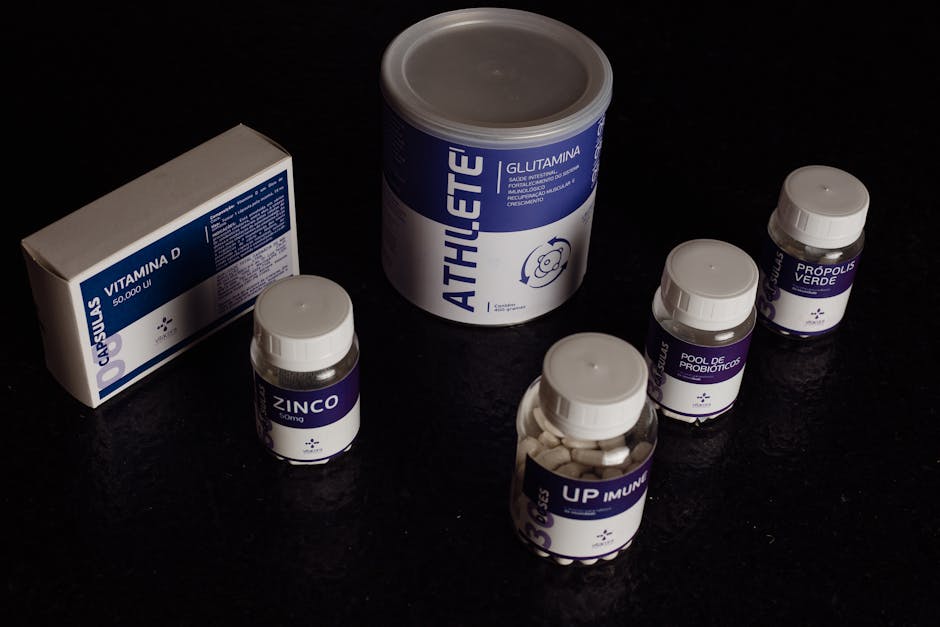
United States Sports Nutrition Market Size and Growth Outlook 2026
The United States sports nutrition market continues to dominate as a global leader, driven by rising health consciousness, fitness trends, and an expanding base of active consumers. As of 2026, the market is valued at over $30 billion, with projections indicating a CAGR of 8.2% through 2035, according to Precedence Research. This growth is fueled by innovations in protein ingredients, functional beverages, and performance-enhancing supplements, making the U.S. a prime target for global brands seeking expansion.
For health, beauty, and wellness brands, understanding the regulatory landscape, consumer preferences, and distribution dynamics is critical. This guide provides a data-driven analysis of the U.S. sports nutrition market, including market size, growth opportunities, regulatory compliance, and actionable entry strategies.
Market Overview
The U.S. sports nutrition market is segmented into protein powders, ready-to-drink (RTD) beverages, bars, and supplements, with protein powders holding the largest share at 42% of total revenue. The market is evenly split between online and retail channels, though e-commerce is growing at a faster rate (12% CAGR vs. 6% for brick-and-mortar).
Key growth drivers include:
- Increased fitness participation (60% of U.S. adults engage in regular exercise).
- Rise of functional nutrition (e.g., collagen-infused products, plant-based proteins).
- Expansion of performance nutrition beyond athletes to casual consumers.
| Segment | Market Size (2026) | CAGR (2026–2035) |
|---|---|---|
| Protein Powders | $12.6B | 7.8% |
| RTD Beverages | $8.4B | 9.1% |
| Bars & Snacks | $5.2B | 6.5% |
| Supplements (e.g., BCAAs, Creatine) | $4.8B | 8.7% |
Online sales dominate in the DTC (direct-to-consumer) and Amazon channels, accounting for 55% of total revenue, while traditional retail (e.g., GNC, Vitamin Shoppe, Walmart) remains strong for impulse purchases.
Opportunity Analysis
The fastest-growing categories in the U.S. sports nutrition market include:
- Plant-based proteins (pea, rice, hemp) – growing at 14% CAGR due to vegan and flexitarian trends.
- Functional hydration (electrolyte-enhanced waters, nootropics-infused drinks).
- Personalized nutrition (DNA-based supplement recommendations).
Consumer preferences are shifting toward:
- Clean labels (non-GMO, organic, no artificial additives).
- Convenience (single-serve packets, RTD formats).
- Sustainability (eco-friendly packaging, carbon-neutral claims).
Pricing benchmarks vary by segment:
- Protein powders: $1.50–$3.00 per serving.
- RTD beverages: $3.00–$5.00 per bottle.
- Energy gels: $2.00–$4.00 per unit (growing at 11% CAGR, per Fortune Business Insights).
Distribution Landscape
The U.S. sports nutrition market is highly competitive, with key retailers including:
- GNC (largest specialty retailer).
- The Vitamin Shoppe (strong in supplements and performance nutrition).
- Walmart & Target (mass-market reach).
- Amazon (dominant in e-commerce, accounting for 30% of online sales).
For brands, Amazon and DTC websites offer the highest margins (40–60%), while traditional retail typically yields 25–35% margins after distributor fees.
Key distributors for market entry include:
- KeHE Distributors (specialty and natural products).
- UNFI (United Natural Foods) (largest natural products distributor).
- Core-Mark (convenience store distribution).
Regulatory Snapshot
The U.S. sports nutrition market is regulated by the FDA (Food and Drug Administration) under the Dietary Supplement Health and Education Act (DSHEA). Key compliance requirements include:
- Labeling: Must include Supplement Facts panel, ingredient list, and allergen declarations.
- Claims: Structure/function claims allowed (e.g., "supports muscle recovery"), but disease treatment claims are prohibited.
- Ingredient restrictions: Banned substances (e.g., ephedra, DMAA) must be avoided.
- Certifications: NSF Certified for Sport, Informed-Choice, and USP Verified are highly valued.
Estimated compliance costs:
- Initial FDA registration: $5,000–$15,000.
- Ongoing testing & certification: $10,000–$30,000 annually.
Timeline for market entry: 6–12 months (including formulation, testing, and FDA review).
Launch Difficulty Score
The U.S. sports nutrition market presents a moderate-to-high difficulty score due to regulatory complexity and competition. Below is a breakdown:
| Factor | Score (0–100) |
|---|---|
| Demand | 90 |
| Competition | 75 |
| Regulatory Ease | 60 |
| Margin Opportunity | 80 |
Overall Score: 76/100 – High demand and margin potential offset by regulatory hurdles and competition.
Actionable Next Steps
To successfully enter the U.S. sports nutrition market, brands should:
- Conduct a competitive gap analysis to identify underserved niches (e.g., plant-based, functional hydration).
- Partner with a U.S.-based distributor (e.g., KeHE, UNFI) to navigate retail placement.
- Invest in FDA-compliant labeling and testing to avoid costly recalls.
- Optimize for Amazon and DTC sales with SEO-driven product listings.
- Leverage influencer marketing in the fitness and wellness space.
- Secure third-party certifications (NSF, Informed-Choice) to build trust.
- Monitor regulatory updates via FDA and industry associations (e.g., CRN).
Sources
- Precedence Research – Sports Nutrition Market Report
- Fortune Business Insights – Energy Gels Market Report
- FDA – Dietary Supplement Regulations
- Grand View Research – U.S. Sports Nutrition Market Outlook
Expanding into the U.S. sports nutrition market requires strategic planning, regulatory expertise, and a deep understanding of consumer trends. For a tailored Market Expansion Blueprint or Scorecard, connect with Nutri.Markets to accelerate your brand’s global growth.