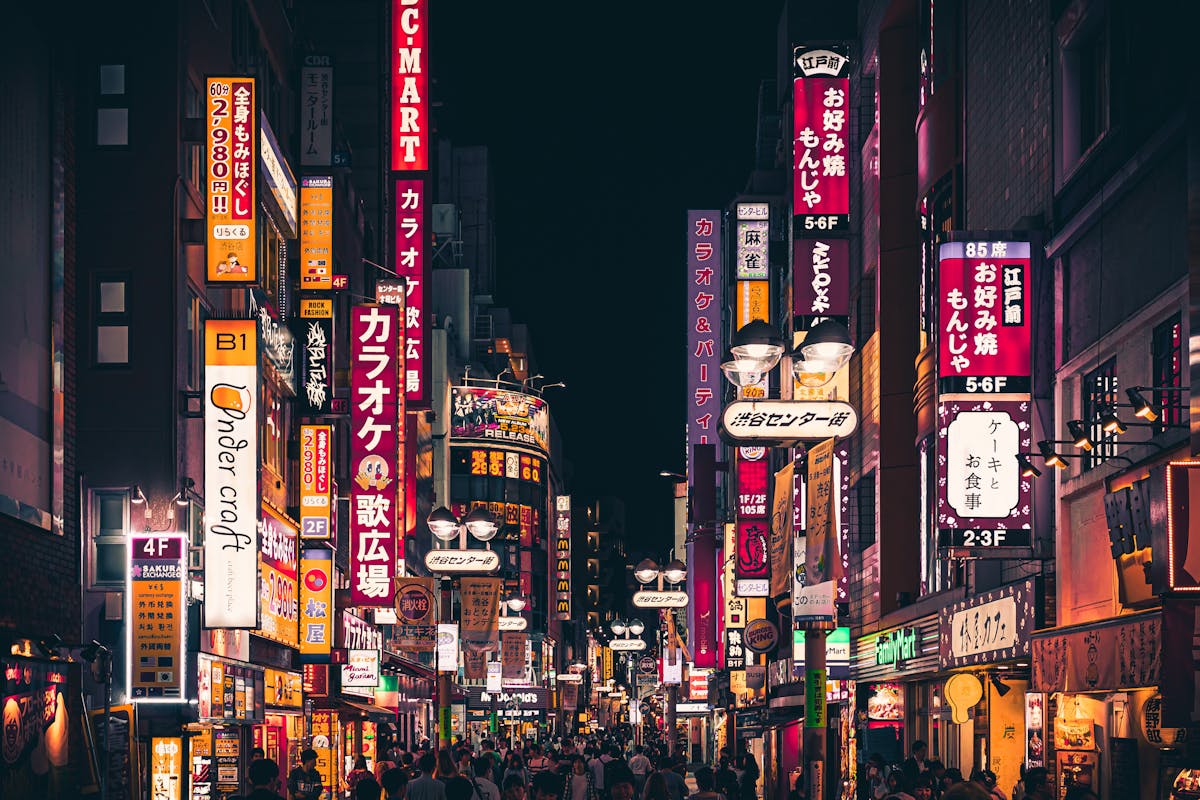
Japan is Asia's second-largest supplement market, worth over ¥900 billion annually. Japanese consumers are among the world's most sophisticated supplement buyers, with a strong preference for domestic brands — but international premium brands can succeed with the right local partner. The key challenge: Japan's regulatory system requires significant translation work and a local responsible party before any distribution can begin.
Japan has three regulatory pathways for health-benefit supplements: (1) FOSHU (Foods for Specified Health Uses) — individual product government approval, expensive and slow. (2) Foods with Function Claims (FFC) — notification-based system, launched 2015. Manufacturer/importer notifies Consumer Affairs Agency 60 days before sale, citing systematic review or clinical trial evidence. (3) General food supplement — no health claims permitted, sold as food. Most international brands enter via FFC or as general food supplements.
For sports nutrition specifically, Raising the Bar and several smaller sports specialty distributors serve the growing Japanese gym and fitness retail market.
All labels sold in Japan must be in Japanese. Required elements under the Food Labelling Standards (食品表示基準): product name, ingredient list, net quantity, best before date, storage conditions, manufacturer/importer name and address, and allergen declarations. For supplements, serving size and nutrients per serving are expected even if not claiming function.
Translation must be by a qualified Japanese translator — not machine-translated. Label artwork must be reviewed and approved by your distributor before printing.
Japan's traditional distribution system involves trading companies (sōgō shōsha or senmon shōsha) who act as intermediaries, handling import, customs clearance, quality assurance documentation, and retailer relations. Companies like Itochu Corporation, Mitsui, and Marubeni have health and nutrition divisions, but their minimum volume requirements are substantial. For smaller brands, specialist health product trading companies or Japanese-speaking broker/consultants are more accessible starting points.
Ready to go deeper?
Get the Japan market entry blueprint including FFC notification support, Japanese distributor contacts, and Matsumoto Kiyoshi buyer intelligence.