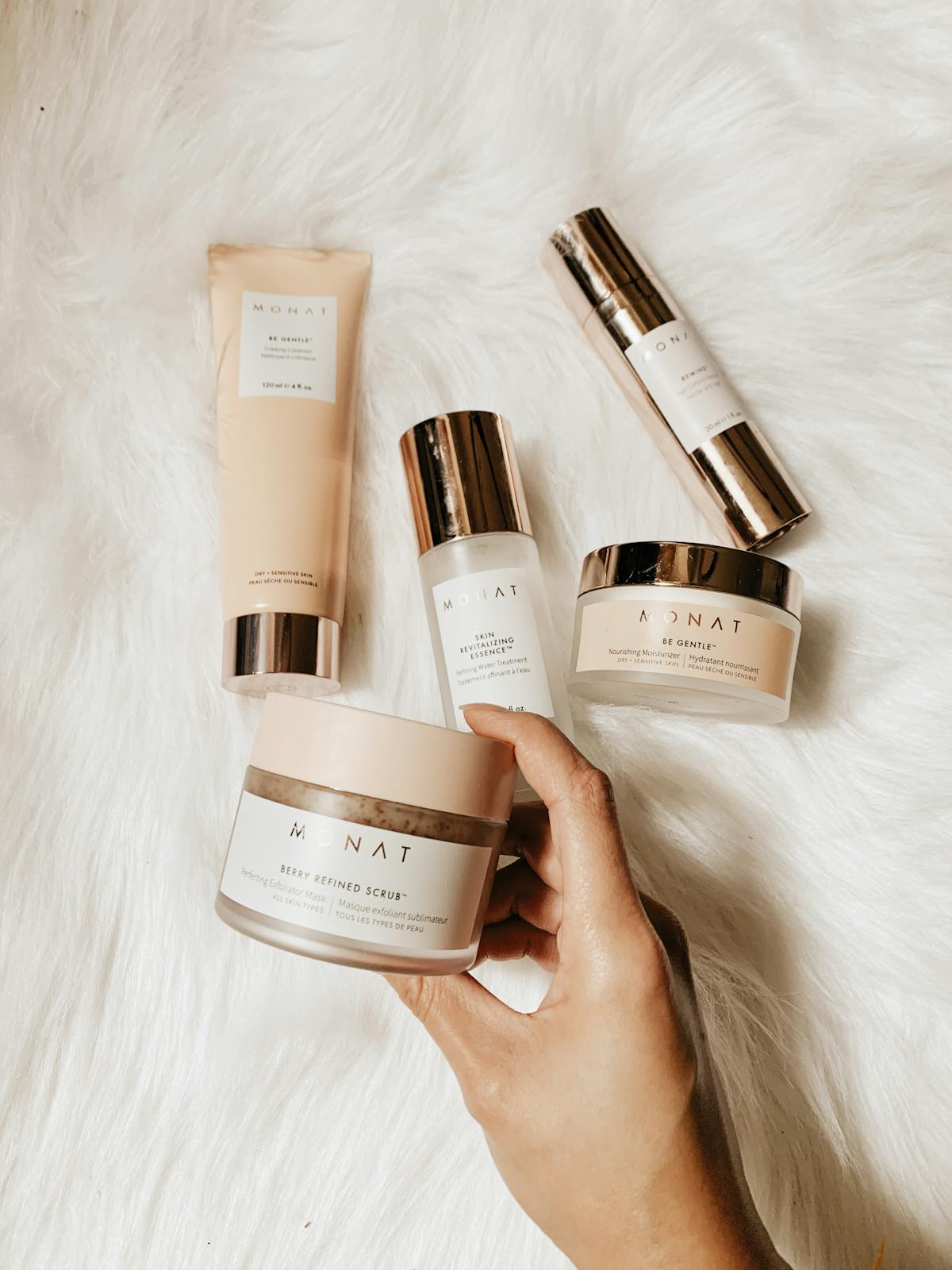
The US is the world's largest skincare market — worth over $24 billion annually — and it just got significantly more regulated. The Modernization of Cosmetics Regulation Act (MoCRA), signed in 2022, is the biggest overhaul of US cosmetics law in over 80 years. If you're launching or importing skincare into the US, here's what you need to know.
The Modernization of Cosmetics Regulation Act (MoCRA) came into effect in December 2022 and gives the FDA significantly more authority over cosmetics for the first time since 1938. Key changes: mandatory facility registration with the FDA (due December 2023), mandatory product listing for all cosmetics sold in the US, mandatory adverse event reporting (serious adverse events must be reported to FDA within 15 days), and mandatory safety substantiation — brands must be able to demonstrate their products are safe. Non-US brands selling into the US must designate a US agent for FDA communications.
US cosmetics labels must include: product identity (what the product is), net quantity of contents in both US customary and metric units, name and address of the manufacturer, packer, or distributor, material facts (directions for safe use, warnings), and a full ingredient list in INCI format in descending order of predominance. Fragrance can be listed as 'Fragrance' rather than individual components — but MoCRA now requires fragrance allergen disclosure on labels or via a QR code (FDA guidance pending final implementation). Claims crossing into drug territory (e.g. 'treats acne', 'reduces wrinkles by 40%') may reclassify your product as a drug, triggering FDA drug approval requirements.
The FDA prohibits or restricts a relatively short list of cosmetic ingredients compared to the EU: prohibited ingredients include chloroform, halogenated salicylanilides, mercury compounds (except as preservatives at specific thresholds), vinyl chloride, zirconium in aerosols, and bithionol. However, MoCRA gives FDA new powers to restrict ingredients found to present safety risks — expect this list to grow. California's Safe Cosmetics Act requires disclosure of additional ingredients, and California Proposition 65 requires warnings for products containing listed chemicals above threshold levels. If you sell nationally, California compliance is effectively a national floor.
Sunscreens in the US are classified as over-the-counter (OTC) drugs, not cosmetics — this is one of the most important distinctions for skincare brands. If your product makes SPF claims, it must comply with the FDA OTC sunscreen monograph: approved active ingredients only (avobenzone, zinc oxide, titanium dioxide etc.), Drug Facts panel instead of standard cosmetics label, manufactured in a cGMP-compliant facility for OTC drugs, and FDA-approved labelling claims only. Combination products (SPF moisturiser, SPF lip gloss) follow the OTC drug pathway. Retinol at certain concentrations and anti-dandruff actives are similarly regulated as OTC drugs.
US skincare distribution options: Amazon US (gated Beauty category — see our Amazon US skincare guide), Ulta Beauty (requires a buyer relationship and often a regional rollout plan), Sephora (highly selective, favours brands with proven DTC sales data), Target and Walmart (mass market — require UPC barcodes, EDI integration, and often slotting fees), and DTC via your own e-commerce site. Many international skincare brands enter the US market via DTC first, using US-based 3PL fulfilment, to build review velocity and brand awareness before approaching retail buyers. FDA facility registration must be complete before any commercial distribution.
Ready to go deeper?
Get your US skincare market entry plan including MoCRA compliance checklist, labelling review, and retail channel analysis for your brand.
Markets covered
Compliance label analysis
Product categories