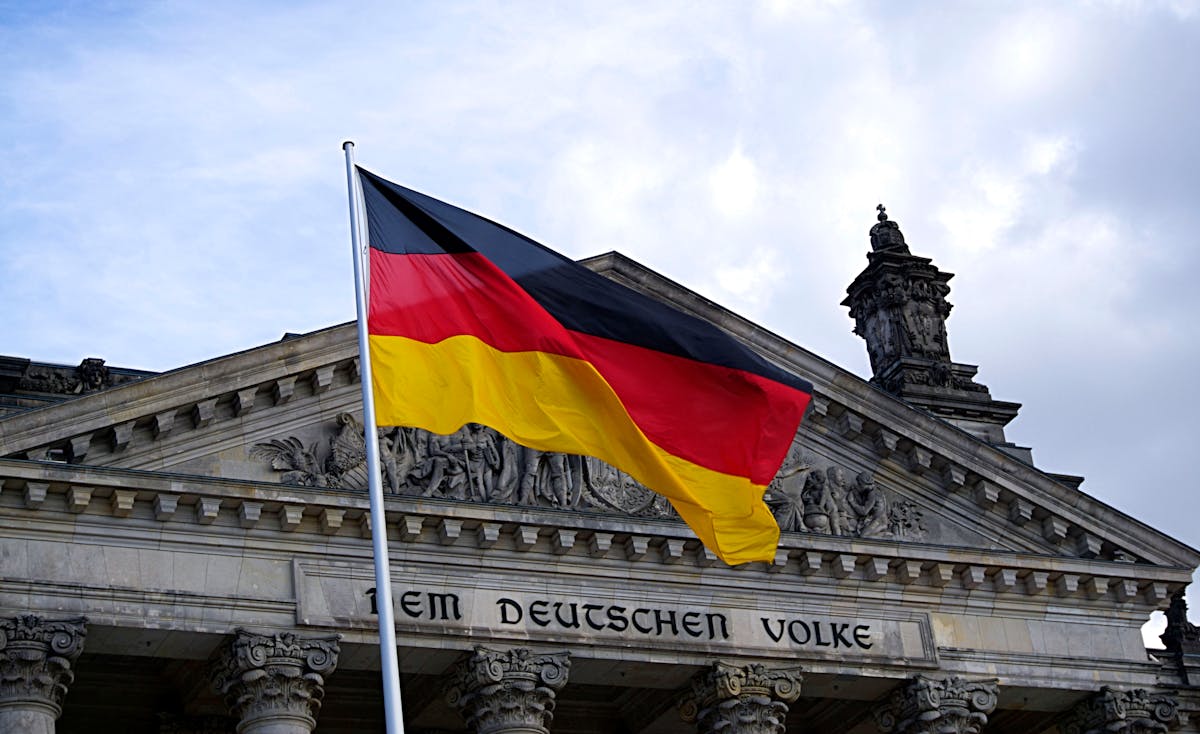
Germany is Europe's largest supplement market and one of its most enforcement-active. While there's no mandatory pre-notification system, the BfR (Federal Institute for Risk Assessment) publishes maximum dose recommendations that German regulators and retailers treat as de facto law. Getting your product right for Germany opens the door to Austria, Switzerland, and the broader DACH region.
Germany has no statutory maximum doses for most vitamins and minerals, but the BfR publishes recommendations used by food control authorities to assess whether a product is safe. Exceeding BfR recommendations is grounds for enforcement action. Key limits that catch US brands off guard include Vitamin D (800 IU/day recommended max), Vitamin B6 (3.5mg), and Zinc (6.5mg).
Labels must be in German. Required elements: product name, net quantity, ingredient list with all additives, allergen declarations (bold in ingredient list), best before date, storage conditions, recommended daily dose, and the statement 'Die angegebene Verzehrmenge darf nicht überschritten werden.' (The stated serving amount must not be exceeded.)
Germany strictly enforces EU health claims regulation. Only claims from the EU Register of Authorised Claims are permitted. German courts have a long history of competitors using claims violations to seek injunctions — known as Abmahnung (cease-and-desist letters). Any unauthorised claim exposes you to competitor legal action, not just regulatory enforcement.
Ready to go deeper?
Get your Germany market entry blueprint including BfR compliance audit, retailer contacts, and 90-day launch plan.
Markets covered
Compliance label analysis
Product categories