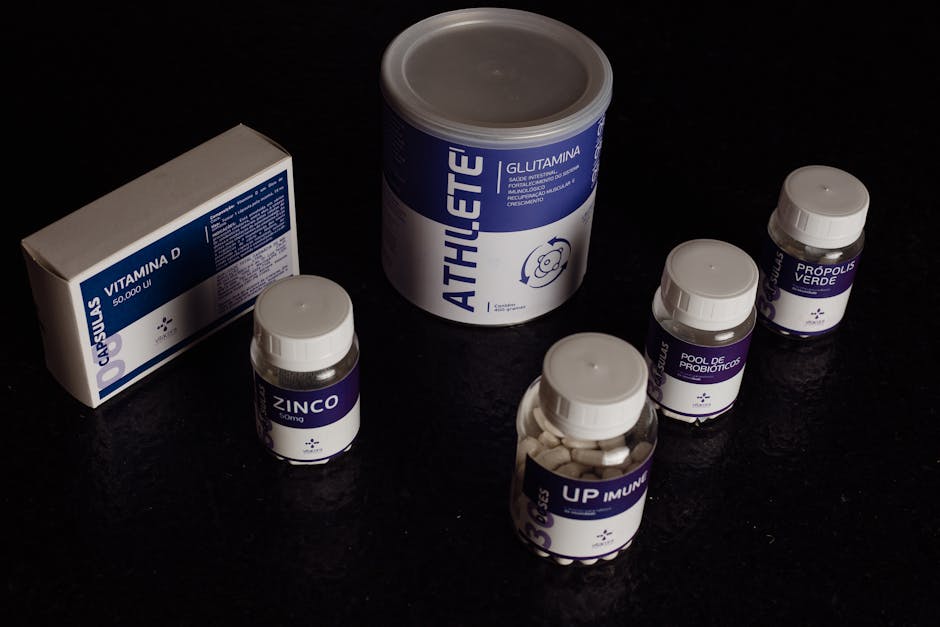
Sports Nutrition and Dietary Supplements Testing and Certification Market, Global Market Analysis Report - 2036: What Sports Nutrition Brands Entering Australia Must Do Now
The Sports Nutrition and Dietary Supplements Testing and Certification Market, Global Market Analysis Report - 2036 has just been released, and its findings are a wake-up call for brands eyeing Australia. With regulatory scrutiny tightening—evidenced by recent crackdowns on non-compliant sports supplements in South Australia—this report underscores why compliance isn’t just a checkbox but a competitive advantage. For sports nutrition brands planning to enter Australia in 2026, understanding the intersection of global certification trends and local regulatory demands is non-negotiable.
Market Overview
Australia’s sports nutrition market is projected to grow at a CAGR of 7.8% through 2036, driven by rising health consciousness, fitness trends, and a younger, performance-oriented consumer base. The market was valued at AUD 1.2 billion in 2025 and is expected to reach AUD 2.4 billion by 2036. E-commerce now accounts for 42% of sales, with brick-and-mortar retail (including gyms, pharmacies, and specialty stores) holding the remaining 58%. Online growth is outpacing retail, fueled by direct-to-consumer (DTC) brands and third-party platforms like Amazon Australia.
| Segment | 2025 Market Size (AUD) | 2036 Projection (AUD) | CAGR (%) |
|---|---|---|---|
| E-commerce | 504M | 1.01B | 9.1 |
| Retail (Gyms, Pharmacies, Specialty) | 696M | 1.39B | 6.8 |
| Total | 1.2B | 2.4B | 7.8 |
Major channels include Chemist Warehouse, GNC, and Rebel Sport for retail, while Amazon Australia, MyProtein, and local DTC brands dominate online. The Global Market Analysis Report - 2036 highlights that testing and certification are becoming critical differentiators, as consumers—and regulators—demand transparency in ingredient sourcing, purity, and label accuracy.
Opportunity Analysis
Within Australia’s sports nutrition sector, protein powders, BCAAs, and pre-workout supplements remain the top-performing categories. However, plant-based proteins, collagen peptides, and nootropic-infused formulations are the fastest-growing, with 20%+ year-on-year growth in 2026. Consumer preferences are shifting toward clean label, non-GMO, and third-party certified products, a trend amplified by the Global Market Analysis Report - 2036, which projects a 15% annual increase in demand for certified supplements.
Pricing benchmarks vary by segment:
- Mass-market protein powders: AUD 30–50 per kg
- Premium/clean-label protein: AUD 60–100 per kg
- Specialty (e.g., vegan, organic, or clinically tested): AUD 100–150 per kg
Brands that invest in certifications like Informed Sport, NSF, or TGA-listed products can command premium pricing. The recent failures of dozens of supplements under South Australia’s food code prove that non-compliance risks not just fines but brand reputation—making certification a market entry essential.
Distribution Landscape
Australia’s sports nutrition distribution is fragmented but dominated by a few key players:
- Retail Chains:
- Chemist Warehouse – Australia’s largest pharmacy chain, stocking mass-market and mid-tier supplements.
- GNC – Focuses on premium international brands (e.g., Optimum Nutrition, MuscleTech).
- Rebel Sport – Targets active lifestyle consumers with mid-to-high-end products.
- Anytime Fitness, F45, and local gyms – Often sell private-label or partnered brands.
- E-commerce:
- Amazon Australia – Growing rapidly, with 30% of online sports nutrition sales in 2026.
- MyProtein (THG) – DTC giant with strong local presence.
- Brand-owned websites – Increasingly popular for premium brands (e.g., PURE Sports Nutrition, which recently partnered with New Zealand’s national rugby teams).
- Wholesale Distributors:
- Metcash (via IGA) – Supplies independent pharmacies and supermarkets.
- Ebos Group – Major healthcare distributor.
- Nutrition Warehouse – Specializes in bulk sports nutrition distribution.
For international brands, partnering with a local distributor (e.g., Ebos or Nutrition Warehouse) can accelerate market entry, while DTC via Shopify or Amazon offers higher margins but requires robust compliance and logistics.
Regulatory Snapshot
Australia’s Therapeutic Goods Administration (TGA) regulates sports nutrition products under the Therapeutic Goods Act 1989 or the Food Standards Code, depending on the product’s claims and ingredients. Key requirements include:
- Classification:
- Listed medicines (AUST L) – For products making health claims (e.g., "supports muscle recovery"). Requires TGA listing.
- Foods (including formulated supplementary foods) – For products without therapeutic claims (e.g., protein powders). Regulated by Food Standards Australia New Zealand (FSANZ).
- Labeling Requirements:
- Mandatory inclusion of nutritional information, ingredient list, allergen warnings, and country of origin.
- No therapeutic claims unless TGA-approved (e.g., "boosts immunity" is prohibited for food-classified products).
- Compliance with FSANZ Standard 1.2.7 (for nutrition, health, and related claims).
- Prohibited Ingredients:
- Stimulants like DMAA, DMHA, and certain synthetic cannabinoids are banned.
- Hormone precursors (e.g., prohormones) are not permitted.
- Heavy metals, pesticides, and microbial contaminants must meet strict limits.
- Certifications & Testing:
- TGA listing (for therapeutic products) costs AUD 200–1,000 depending on complexity, with a 6–12 month processing time.
- Third-party certifications (e.g., Informed Sport, NSF, HACCP) are increasingly demanded by retailers and consumers.
- Batch testing for contaminants (e.g., WADA-prohibited substances) is recommended to avoid recalls.
The Global Market Analysis Report - 2036 emphasizes that testing and certification are no longer optional. With South Australian authorities cracking down on non-compliant supplements, brands must ensure every batch meets TGA/FSANZ standards—or risk costly recalls and lost market access.
Launch Difficulty Score
Australia presents a moderate-to-high barrier to entry for sports nutrition brands, primarily due to regulatory complexity. Below is our Launch Difficulty Score (0–100, where 100 is hardest):
| Factor | Score (0–100) | Notes |
|---|---|---|
| Demand | 85 | High and growing, but competitive. |
| Competition | 75 | Dominance of international (e.g., Optimum Nutrition) and local brands (e.g., ATP Science). |
| Regulatory Ease | 60 | TGA/FSANZ compliance is strict but manageable with the right expertise. |
| Margin Opportunity | 80 | Premium and certified products command strong margins. |
| Overall Launch Difficulty | 75 | Moderate-to-high; regulatory hurdles are the biggest challenge. |
Actionable Next Steps
To successfully enter Australia’s sports nutrition market, brands should take these 7 critical steps:
- Classify Your Product: Determine whether it falls under TGA (therapeutic) or FSANZ (food) regulations. Consult a local regulatory expert if unsure.
- Conduct a Gap Analysis: Audit your current labels, claims, and ingredients against TGA/FSANZ standards. Remove any non-compliant substances (e.g., DMAA).
- Invest in Testing & Certification: Partner with a TGA-approved lab for contaminant testing (e.g., heavy metals, WADA-banned substances). Consider Informed Sport or NSF certification to build trust.
- Localize Packaging & Labels: Ensure all labels meet FSANZ Standard 1.2.7 and include mandatory information in English. Avoid therapeutic claims unless TGA-listed.
- Secure a Local Distributor or 3PL: Partner with a distributor like Ebos Group or Nutrition Warehouse for retail placement, or set up a 3PL (third-party logistics) provider for DTC fulfillment.
- Pilot with E-commerce: Launch on Amazon Australia or your own Shopify store to test demand before committing to retail. Use paid social and influencer marketing to drive awareness.
- Monitor Competitors & Compliance: Track competitors’ labels and claims via Nutri.Markets’ regulatory database. Stay updated on TGA/FSANZ changes (e.g., new ingredient bans).
Pro tip: Start with a TGA-listed product if making health claims—this can justify premium pricing and open doors to pharmacies like Chemist Warehouse.
Sources
- Fact.MR. (2026). Sports Nutrition and Dietary Supplements Testing and Certification Market, Global Market Analysis Report - 2036
- InDaily South Australia. (2023). Dozens of sport supplements failing SA food code
- Adelaide Now. (2023). Crackdown on gym supplements after shock find
- Therapeutic Goods Administration (TGA). (2026). Regulatory Guidelines for Complementary Medicines
- Food Standards Australia New Zealand (FSANZ). (2026). Standard 1.2.7 – Nutrition, Health and Related Claims
The Sports Nutrition and Dietary Supplements Testing and Certification Market, Global Market Analysis Report - 2036 makes it clear: Australia’s market is lucrative, but regulatory compliance and certification are the price of entry. Brands that prioritize transparency, invest in testing, and align with local standards will not only avoid costly mistakes but also gain a competitive edge. Ready to navigate Australia’s complex landscape? Get a personalized Market Expansion Blueprint or Scorecard from Nutri.Markets to map your path to success.
---